Things to Do in Hilo, Hawaii: The Complete Guide (2026)
Hilo is the Big Island's rainy, wild, beautiful other half. Waterfalls, farmers markets, tropical gardens, and the gateway to the volcano. Here's your guide.
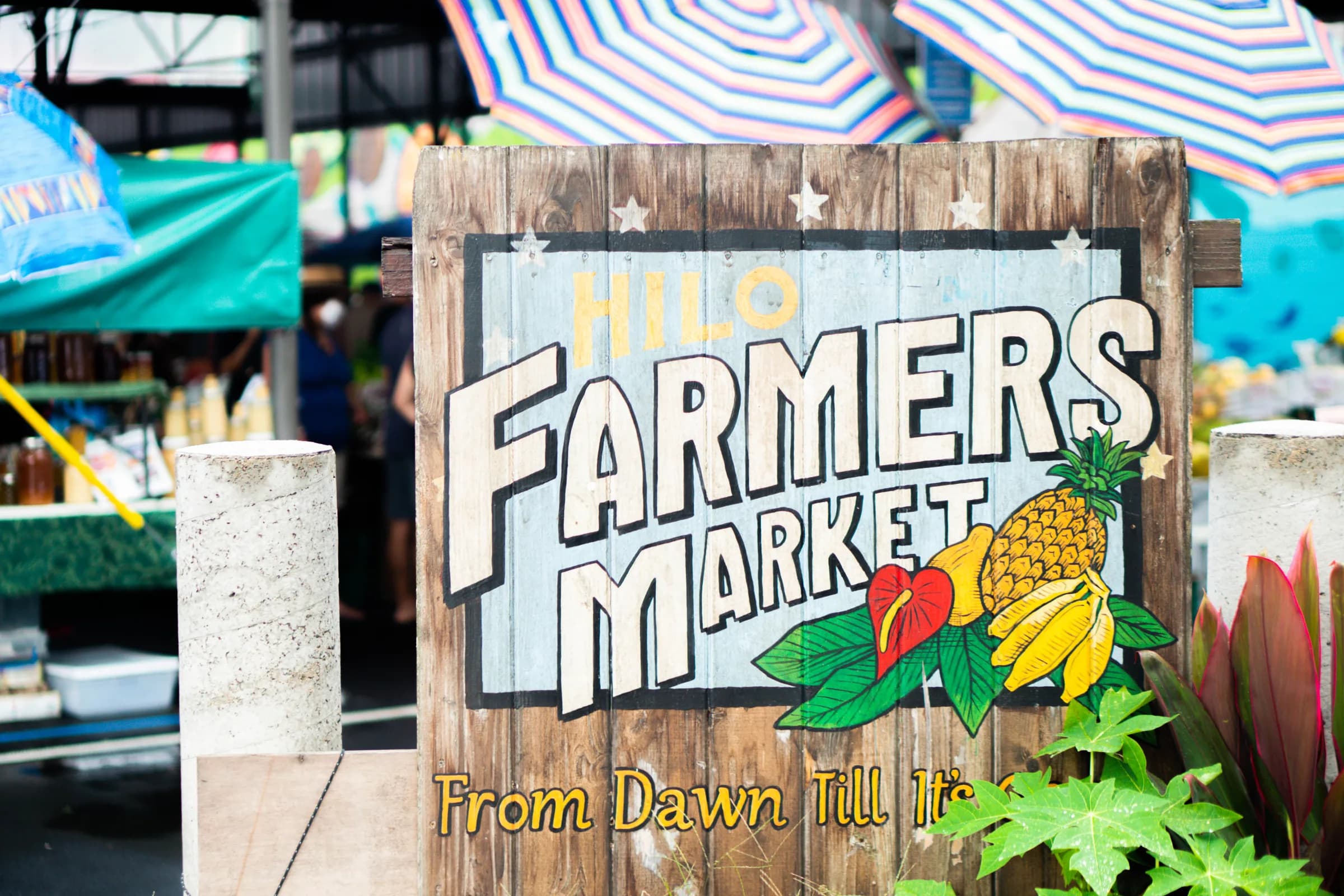
Most visitors to the Big Island base themselves in Kona and never make it to Hilo. Their loss. Hilo is the Big Island's other personality: wetter, wilder, greener, and more authentically Hawaiian than the resort-polished Kona coast. Where Kona is sunshine and ocean activities, Hilo is waterfalls, tropical gardens, a genuine local food scene, and the gateway to both Hawaii Volcanoes National Park and Mauna Kea.
Yes, it rains. Hilo gets about 130 inches per year. But here's the secret: it usually rains in the afternoon, and the mornings are often beautiful. And all that rain creates the waterfalls, the gardens, and the lush landscape that make Hilo worth the visit.
Morning: Waterfalls and Nature
Rainbow Falls
Start at Rainbow Falls. It's free, it's gorgeous, and it's literally two minutes from downtown Hilo. An 80-foot cascade surrounded by banyan trees. Visit on a sunny morning and you'll see the rainbow that gives it its name. Walk 2 minutes upstream to Pe'epe'e Falls and Boiling Pots, a series of interconnected pools that churn when the river is running hard.
Akaka Falls
Drive 15 minutes north to Akaka Falls, a 442-foot plunge through a tropical gorge. The paved loop trail takes 30-45 minutes and passes through bamboo forest and flowering ginger. This is the postcard waterfall of Hawaii. For a deeper dive into the island's falls, read our complete waterfall guide.
Hawaii Tropical Bioreserve & Garden
The Hawaii Tropical Bioreserve is one of the most beautiful tropical gardens in the world, with 40 acres of exotic plants cascading down a valley to the ocean, with waterfalls and ocean views throughout. The self-guided walk takes 1-2 hours. Located on the scenic Pepe'ekeo drive just north of Hilo.
Kaumana Caves
Kaumana Caves are a lava tube system you can walk into with a flashlight. No guide needed, no fee. The tube extends in both directions from the entrance, and you can explore as far as your light reaches. Bring a good flashlight (not just your phone) and watch your head. It's cool, quiet, and otherworldly.
Midday: Hilo Town
Hilo Farmers Market
The Hilo Farmers Market runs every day but is at its biggest on Wednesday and Saturday mornings. Over 200 vendors sell tropical fruit you've never heard of (rambutan, cherimoya, star apple), local honey, orchids, macadamia nuts, handmade crafts, and the best malasadas (Portuguese donuts) on the island. This is the real thing, with local farmers selling to locals, not a tourist market.
Wander downtown Hilo afterward. The town has a weathered, authentic charm, with vintage storefronts, no chain restaurants, and shops run by people who've been here for generations. The Palace Theater, built in 1925, still shows movies and hosts live performances.
'Imiloa Astronomy Center
'Imiloa is a world-class astronomy museum that connects Hawaiian cultural navigation with modern science. The planetarium show is excellent. It explains how Polynesian wayfinders navigated the Pacific by the stars, and how those same stars are now studied from the observatories on Mauna Kea. Great for families and rainy afternoons.
Afternoon: Ocean and Adventures
Richardson Beach Snorkeling
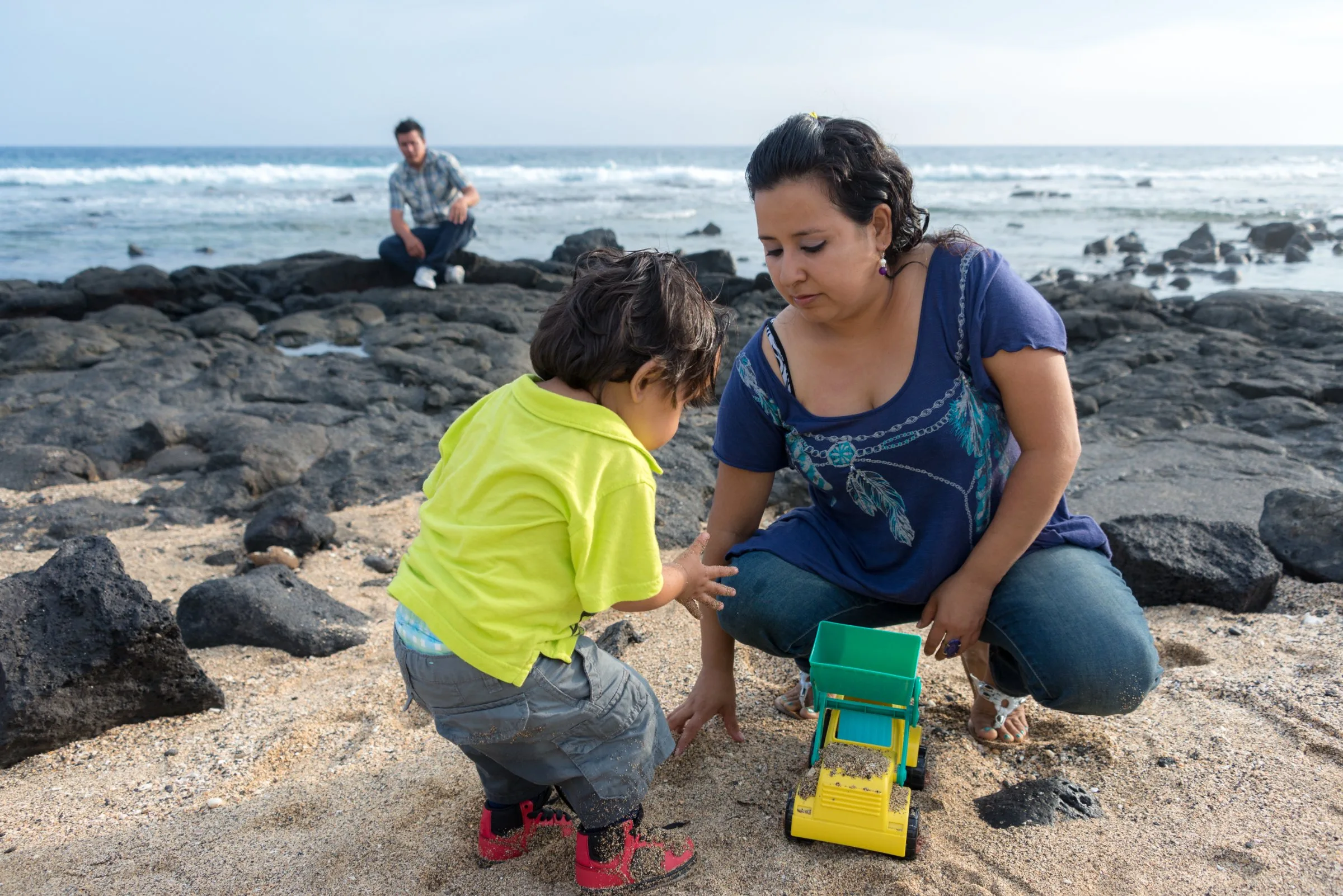
Richardson Ocean Park is Hilo's best snorkeling spot, with protected tide pools behind natural lava breakwaters, abundant sea turtles, and way fewer tourists than any Kona beach. The black sand beach is beautiful, and the surrounding coast has excellent tide pools for kids. Bring your own gear or rent from a Hilo shop.
Waterfall and Cliff Cruises
Hilo Ocean Adventures' cliff and waterfall cruise takes you along the Hamakua coast by boat, and seeing the waterfalls and sea cliffs from ocean level is a perspective you can't get from the road. They also run kayak and waterfall adventures that combine ocean paddling with hiking to hidden falls.
Cliffs of Hawai’i Onomea Waterfall Cruise
Direct Booking Guarantee: the tour operator takes your booking and runs your tour. We may earn a commission, never added to your price.
Kayak - Myths & Legends Waterfall Adventure
Direct Booking Guarantee: the tour operator takes your booking and runs your tour. We may earn a commission, never added to your price.
Lava Tree State Monument
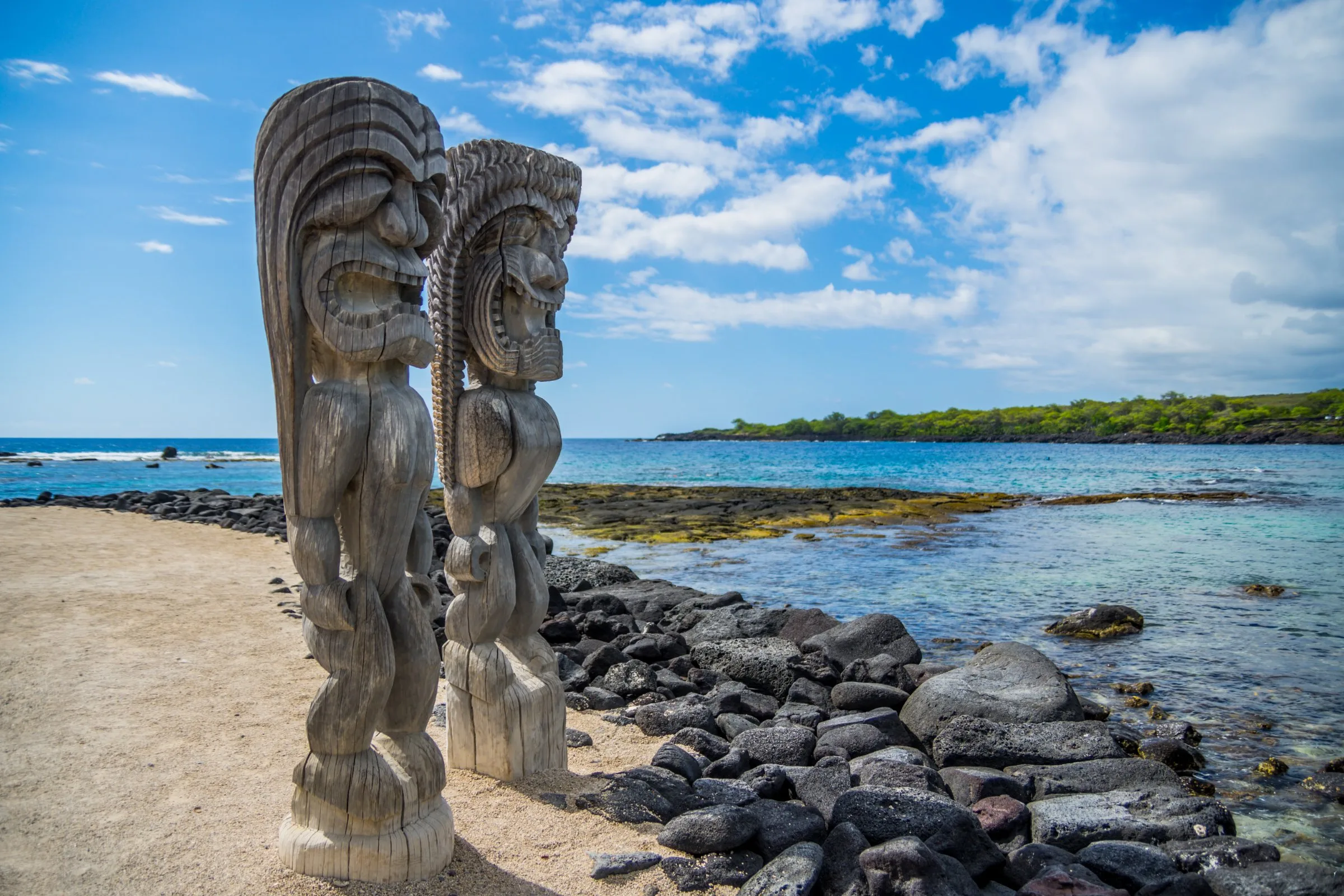
Lava Tree State Monument near Pāhoa is 30 minutes from Hilo and worth the detour. In 1790, a lava flow swept through a forest, coating the tree trunks in lava. The trees burned away, leaving hollow lava casts standing like ghostly pillars. A short paved loop trail winds through the eerie forest. Free entry.
Day Trips from Hilo
Hawaii Volcanoes National Park
The park is just 45 minutes from Hilo, far closer than the 2.5-hour drive from Kona. This makes Hilo the ideal base for volcano exploration. Spend a full day hiking Kīlauea Iki Crater, driving Chain of Craters Road, and watching the sunset glow over the caldera. Our Volcanoes National Park guide has all the details.
Waipio Valley
Waipio Valley is 50 minutes north of Hilo, a mile-wide valley with 2,000-foot cliffs, a black sand beach, taro fields, and Hi'ilawe Falls plunging 1,450 feet down the back wall. The lookout at the top is breathtaking and accessible to everyone. Going down into the valley requires 4WD or a guided tour because the road grade is 25%.
Mauna Kea Stargazing
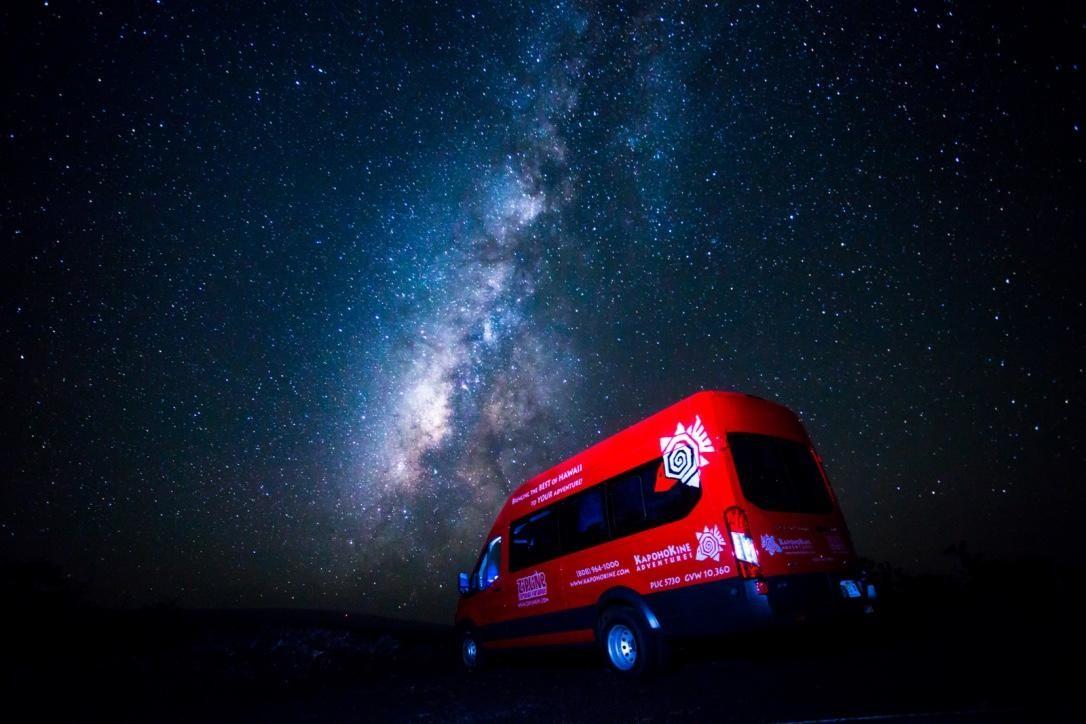
Maunakea Stellar Explorer tours depart from Hilo for sunset and stargazing at the summit. The drive from Hilo is shorter than from Kona, and you approach from the windward side, which offers different scenery. Read our Mauna Kea stargazing guide for full details.
Maunakea Stellar Explorer Hilo
Direct Booking Guarantee: the tour operator takes your booking and runs your tour. We may earn a commission, never added to your price.
Rainy Day Activities
Hilo rains. It's the whole point of the lush landscape. Here's what to do when it pours:
- 'Imiloa Astronomy Center where the planetarium alone is worth the visit
- Lyman Museum for Hawaiian history, geology, and culture in downtown Hilo
- Kaumana Caves. You're underground, so rain doesn't matter
- Hilo shopping like Big Island Candies (famous chocolate-dipped shortbread), local art galleries, bookshops
- Drive to the volcano since Volcanoes National Park is often above the rain at 4,000 feet. Some of the best volcano experiences happen in moody weather.
Getting to Hilo from Kona
Two routes, both about 2-2.5 hours:
Saddle Road (Highway 200): The fast route. Crosses the saddle between Mauna Kea and Mauna Loa at 6,500 feet. Good road, interesting volcanic landscape. Stop at the Mauna Kea visitor station on the way.
Southern route (Highway 11): Longer but more scenic. Passes through the coffee belt, Captain Cook, South Point, black sand beaches, and the volcano. This is the route circle island tours take.
Big Island Grand Circle Island Tour
Direct Booking Guarantee: the tour operator takes your booking and runs your tour. We may earn a commission, never added to your price.
Alternatively, stay the night. Hilo has excellent B&Bs and boutique hotels at half the price of Kona resorts. One night lets you hit the farmers market in the morning, visit the volcano at sunset, and stargaze at Mauna Kea. A packed 24 hours you can't replicate from Kona.
Where to Eat
Hilo's food scene is local, affordable, and delicious:
- Cafe 100: Home of the loco moco: rice, hamburger patty, gravy, fried egg. It was invented here. $5-8 for a plate that fills you for the day.
- Suisan Fish Market: Fresh poke bowls made from morning-caught fish. The locals' poke spot.
- Ken's House of Pancakes: 24-hour diner that's a Hilo institution. Macadamia nut pancakes at midnight.
- Moon & Turtle: Farm-to-table dinner spot that's the best restaurant in Hilo. Small plates, local ingredients, worth the reservation.
For more island-wide recommendations, see our 15 best Big Island tours or Kona activity guide.