Mauna Kea Stargazing: Summit & Observatory Guide (2026)
Mauna Kea is one of the best places on Earth to see the night sky. Here's how to visit: guided tours, summit rules, what to expect, and what you'll see through the telescopes.
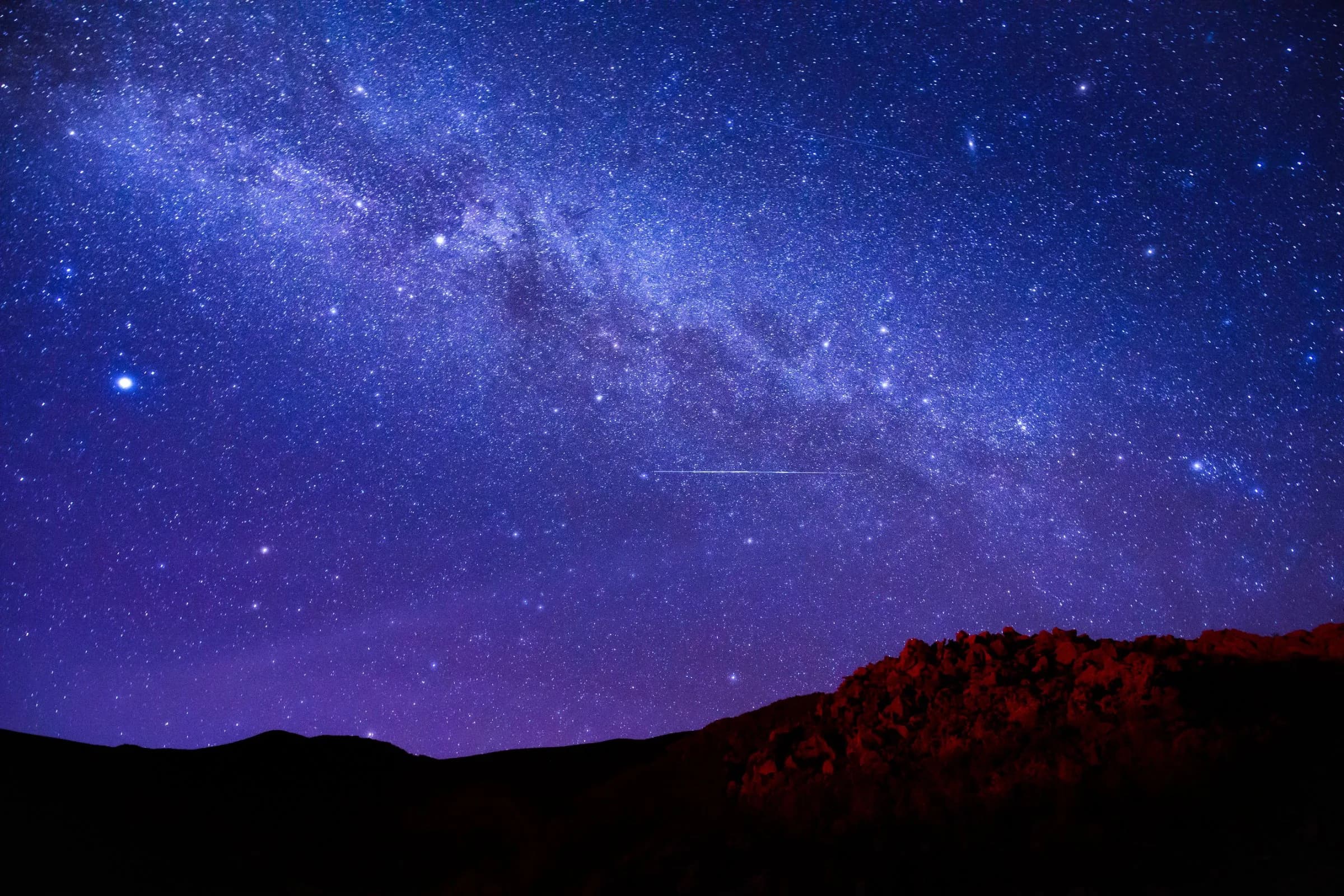
Mauna Kea is 13,796 feet above sea level, and 33,500 feet from its base on the ocean floor, making it technically the tallest mountain on Earth (sorry, Everest). At that elevation, you're above 40% of Earth's atmosphere and almost all of its water vapor. The air is so dry and still that the thirteen world-class observatories perched on the summit consider it the single best astronomical observation point in the Northern Hemisphere.
The good news for visitors: you can go up there. The sunset above the clouds is supernatural, and the stargazing afterward, through professional telescopes or just your own eyes, will recalibrate your relationship with the night sky.
What You'll See
At 9,200 feet (the visitor station level) or 13,796 feet (the summit), the sky is dramatically different from sea level. On a clear night:
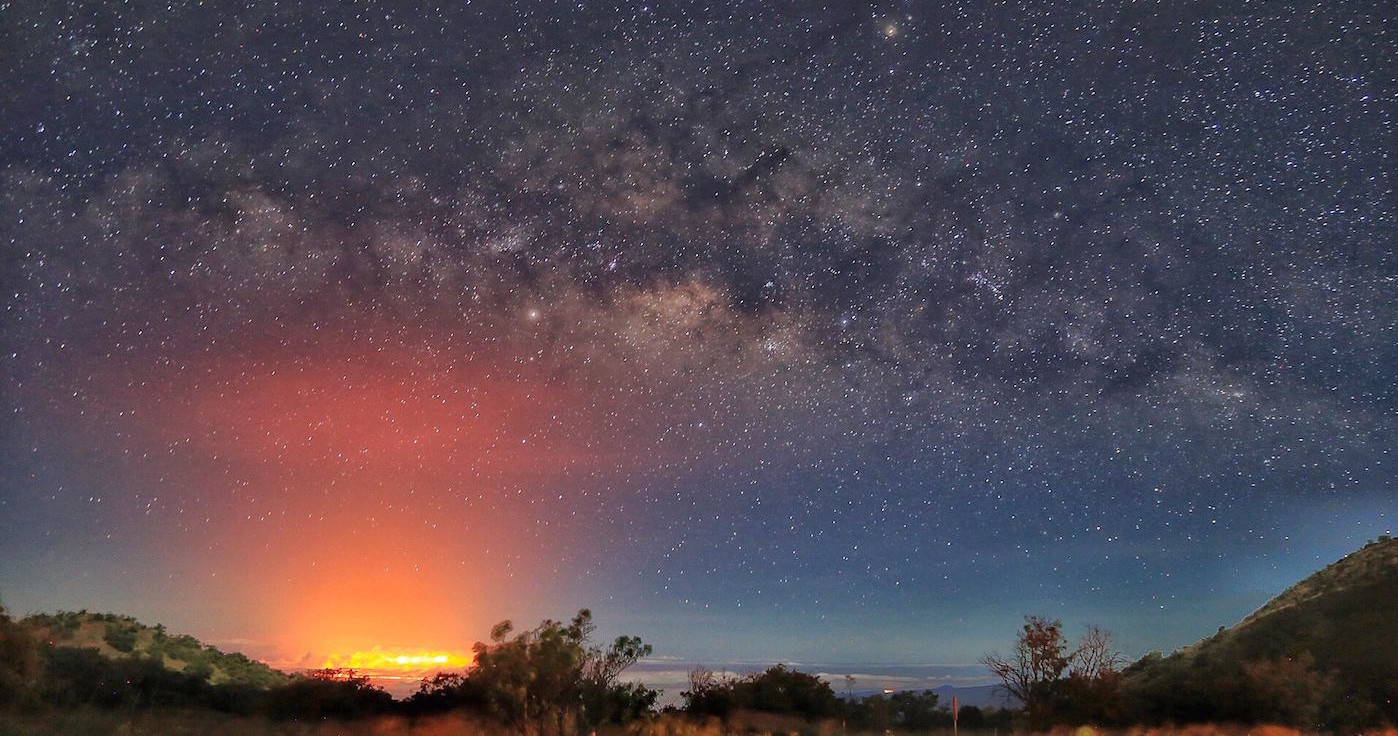
- The Milky Way isn't a faint smudge. It's a river of light stretching horizon to horizon, with visible dust lanes, star clouds, and structure you've never noticed before.
- Planets don't just twinkle. Through a telescope, you'll see Jupiter's bands and four Galilean moons, Saturn's rings, Mars's polar ice caps.
- Deep-sky objects: Nebulae (Orion, Ring, Eagle), star clusters (Pleiades, Hercules), and nearby galaxies (Andromeda) are visible in stunning detail through the telescopes guides set up.
- Satellites: You'll see dozens of satellites crossing the sky in an hour, plus the occasional meteor.
Guided Stargazing Tours: The Best Option
For most visitors, a guided tour is the way to go. The operators handle transportation (the road is steep and unpaved above the visitor station), provide cold-weather gear, set up telescopes, and narrate the sky. They also navigate the current access regulations.
Top Operators
Hawaii Forest & Trail's Maunakea Summit & Stars Adventure is the gold standard. They take you to the summit for sunset (weather permitting), then descend to a lower elevation for telescope viewing. The guides are experienced astronomers who make the science accessible and exciting. Includes dinner, hot chocolate, and all cold-weather gear.
Maunakea Summit & Stars Adventure
Direct Booking Guarantee: the tour operator takes your booking and runs your tour. We may earn a commission, never added to your price.
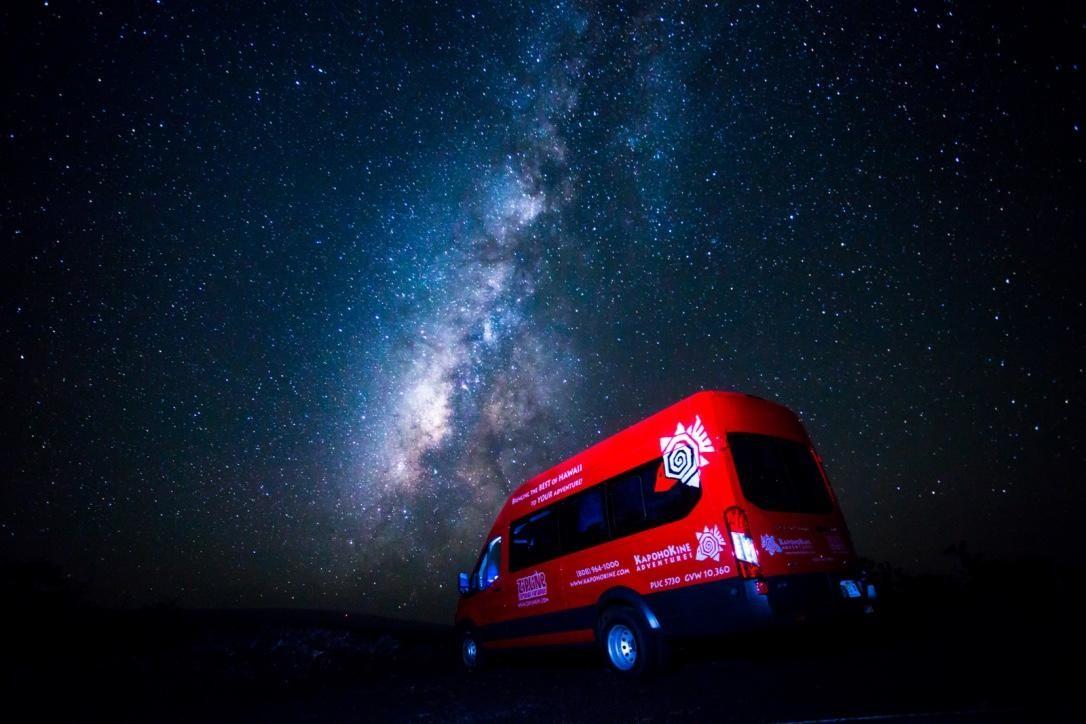
Kapohokine Adventures' Stellar Explorer departs from Hilo and takes a slightly different route up the mountain. Good for east-side visitors.
Maunakea Stellar Explorer Hilo
Direct Booking Guarantee: the tour operator takes your booking and runs your tour. We may earn a commission, never added to your price.
Taiko Bo Hawaii offers both group and private tours with knowledgeable guides and smaller group sizes.
Mauna Kea Sunset & Stars Tour
Direct Booking Guarantee: the tour operator takes your booking and runs your tour. We may earn a commission, never added to your price.
Wasabi Tours' Twilight Volcano and Stargazing combines a volcano visit with stargazing, not on Mauna Kea, but at an elevation high enough for excellent views. A great option if you want two experiences in one day.
Twilight Volcano and Stargazing Tour
Direct Booking Guarantee: the tour operator takes your booking and runs your tour. We may earn a commission, never added to your price.
Resort-Based Stargazing
Don't want to make the drive? Stargaze Hawaii runs telescope sessions right at the Kohala coast resorts. You won't get the altitude advantage of Mauna Kea, but the Kohala coast's low light pollution still delivers excellent viewing. Great for families with young kids who can't handle the altitude.
Self-Driving to Mauna Kea
You can drive yourself to the Visitor Information Station (VIS) at 9,200 feet in a standard rental car. The road is paved to this point and well-maintained. Above VIS to the summit, the road is unpaved, steep, and requires 4WD. Most rental car companies prohibit this road, and insurance won't cover you.
If you self-drive to VIS: The station has free public stargazing programs several nights a week (check their schedule). Volunteers set up telescopes and explain what you're seeing. It's excellent and free. Dress warm because temperatures at 9,200 feet drop to the 30s-40s°F after dark.
Altitude Considerations
This is serious. At 13,796 feet, the oxygen level is 40% lower than at sea level. Symptoms of altitude sickness (headache, nausea, dizziness, shortness of breath) affect many visitors, especially those who ascend quickly from the coast.
- Stop at VIS (9,200 feet) for at least 30 minutes to acclimatize before going higher.
- Drink water. Dehydration worsens altitude effects. Start hydrating hours before your visit.
- Don't go if: You have heart or respiratory conditions, are pregnant, or have been scuba diving within the last 24 hours (altitude after diving causes decompression sickness).
- Guided tours manage this by building in acclimatization time and carry supplemental oxygen.
What to Wear
This is not the beach. At the summit after sunset, temperatures drop to 25-35°F with significant wind chill. Bring or wear:
- Warm jacket (down or fleece, not a light windbreaker)
- Long pants
- Closed-toe shoes
- Hat and gloves
- Extra layer for under the jacket
Most guided tours provide parkas, but bring your own warm layers as a base. If you're self-driving, pack as if you're going skiing, because the temperature at the summit is essentially that.
Cultural Significance
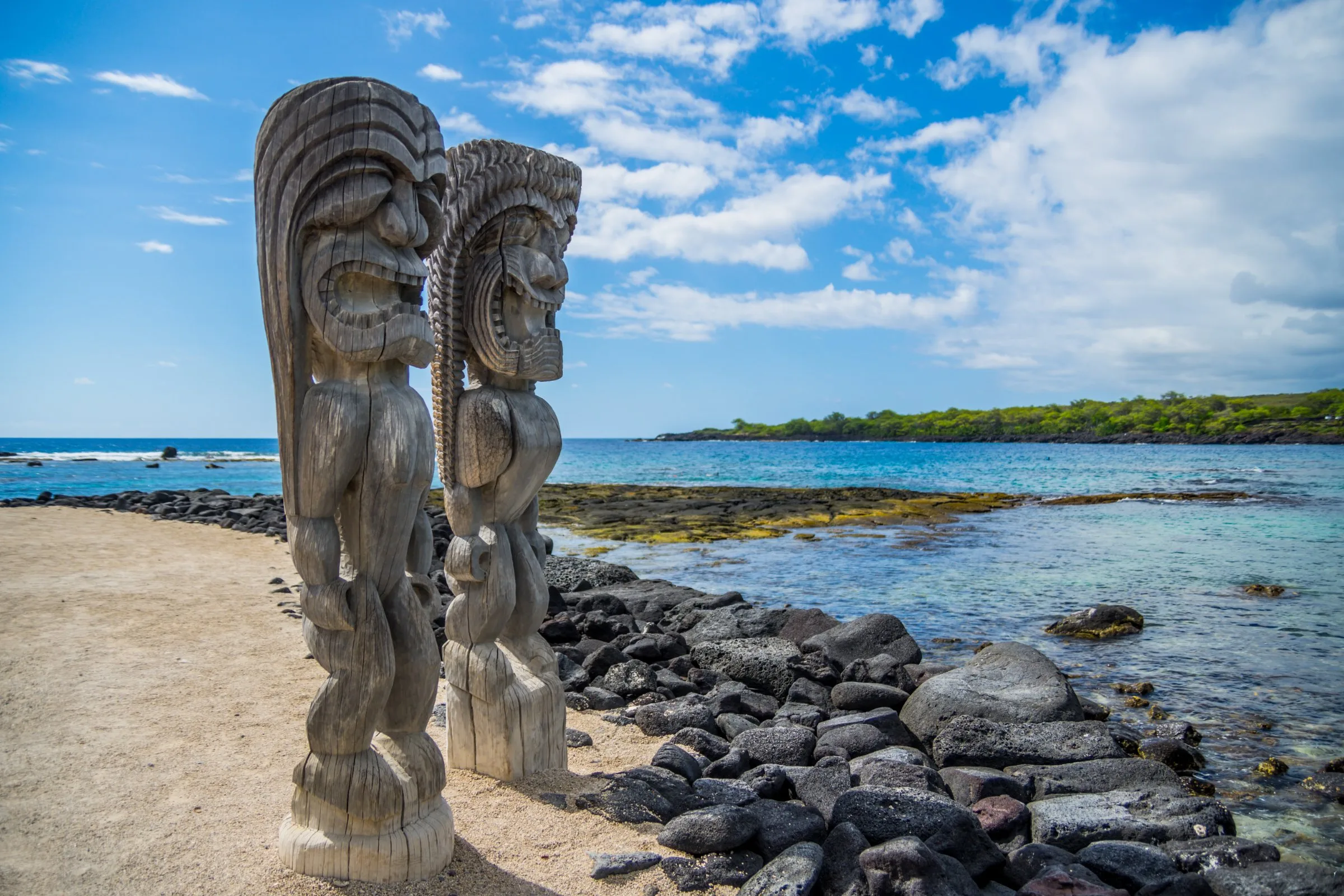
Mauna Kea is sacred to Native Hawaiians. The summit is considered the realm of the gods, the place where the sky father Wākea meets the earth mother Papahānaumoku. The observatories and tourism on the mountain are ongoing sources of tension. In 2019, protests over a proposed new telescope (Thirty Meter Telescope) drew international attention.
As a visitor, you can honor the cultural significance by: staying on designated paths, not stacking rocks or building cairns, keeping noise levels down at the summit, and approaching the experience with respect. Several tour operators incorporate Hawaiian cultural context into their stargazing narrative, and 'Imiloa Astronomy Center in Hilo does this exceptionally well, connecting Polynesian navigation to modern astronomy.
Best Time to Stargaze
New moon weeks are best. No moonlight competing with the stars. The Milky Way core (the brightest part) is visible from April through October.
Winter months (November-February) often have clearer summit conditions but colder temperatures. The Orion Nebula and other winter constellations are stunning from this elevation.
Any clear night is excellent. Mauna Kea's altitude advantage means that even nights with low-elevation clouds can be perfectly clear above. You'll literally be above the weather, looking down at the cloud layer glowing in the moonlight.
For more Hilo-area activities, see our complete Hilo guide. For the full island experience, check our top 15 tours.