Scuba Diving on the Big Island of Hawaii: The Complete Guide
From manta ray dives to black water night adventures, the Big Island offers some of the best scuba diving in the world. Here's what you need to know.
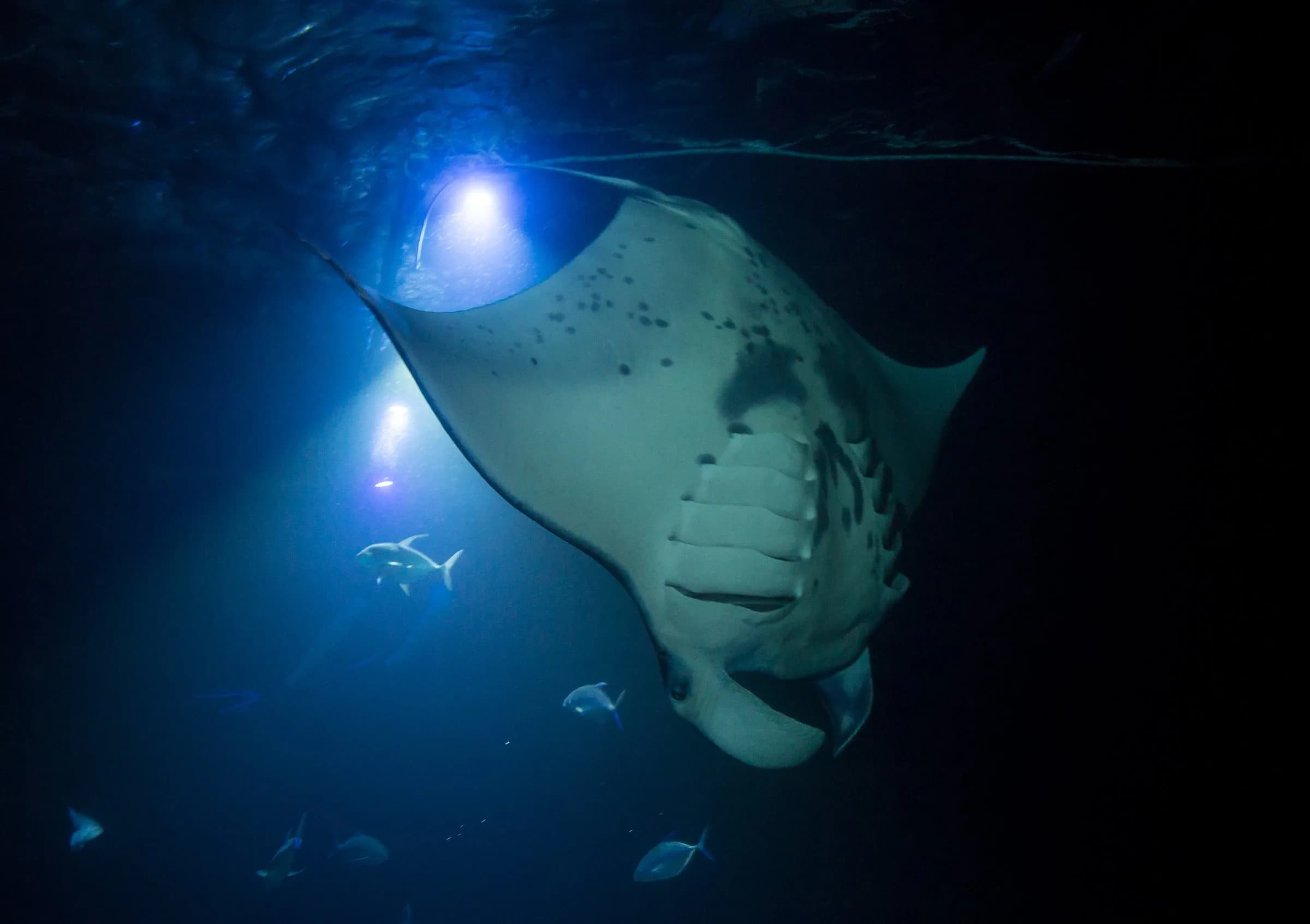
The Big Island's Kona coast is a diver's paradise that doesn't get the international press it deserves. While the Caribbean and Southeast Asia dominate dive marketing, Kona quietly delivers what many of those places can't: 100-foot visibility on a regular Tuesday, lava tube swim-throughs that feel like entering another planet, and the only reliable manta ray night dives on Earth. Add in the black water dives that pioneered an entirely new category of diving, and you've got a destination that belongs on every serious diver's list.
Why Kona Diving Stands Out
Three things make the Big Island's west coast exceptional for scuba diving. First, the leeward position shelters it from the trade winds that hammer the rest of Hawaii, meaning flat, diveable conditions 340+ days a year. Second, the volcanic coastline creates dramatic underwater topography: arches, caverns, walls, and lava tubes formed by flows that entered the ocean thousands of years ago. Third, the deep water sits absurdly close to shore. The 6,000-foot drop-off is less than a mile out, bringing pelagic species (oceanic mantas, whale sharks, dolphins) within range of recreational divers.
Visibility ranges from 60 to 150 feet depending on conditions and season. Summer offers the clearest water, but even winter diving rarely drops below 60 feet. Water temperature stays between 74-80°F year-round, and a 3mm wetsuit handles it for most divers.
The Best Dive Sites on the Big Island
Garden Eel Cove
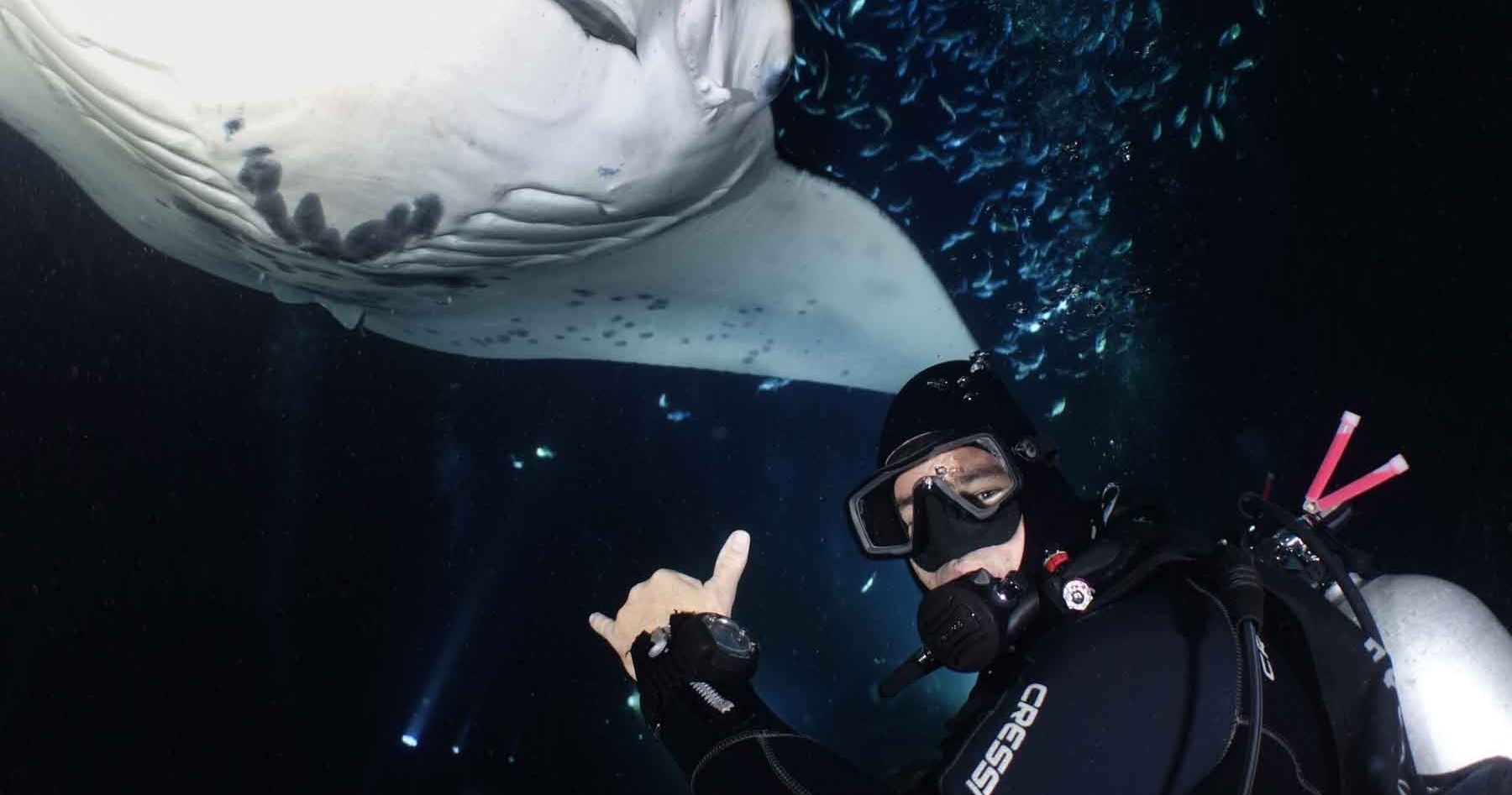
Garden Eel Cove (also called Manta Heaven for good reason) is the most famous dive site in Kona. The sandy bottom at 30-40 feet is home to a colony of garden eels that wave in the current like underwater wheat. But the real draw is the manta ray night dive. This is ground zero for the experience that put Kona diving on the map.
Manta Ray Night Dive
The manta ray night dive is a completely different experience from the snorkel version. You sit on the ocean floor at about 35 feet, looking up at the lit surface, while mantas with 12-16 foot wingspans swoop overhead in feeding loops. They pass so close you can feel the water move. Kona Honu Divers runs one of the best manta dive operations, and their two-tank night charter includes a reef dive before the manta dive.
2 Tank Night Manta Dive Charter
Direct Booking Guarantee: the tour operator takes your booking and runs your tour. We may earn a commission, never added to your price.
The difference from snorkeling? Perspective. From below, the mantas are silhouetted against the light, and watching them come straight at you from the darkness before banking away at the last second is thrilling. You also avoid the surface crowds entirely. Read our complete manta ray guide for more on the snorkel version.
Black Water Night Diving
This is the dive that changed everything. Pioneered right here in Kona, black water diving drops you into open ocean at night, 5,000+ feet above the seafloor, tethered to the boat by a safety line. As deep-ocean creatures rise toward the surface in their nightly migration, you float among things that look like they were designed by science fiction artists: larval fish with transparent bodies, bioluminescent jellyfish, paper nautilus, and dozens of species that have never been photographed alive.
Kona Ocean Adventures and Big Island Divers both run excellent black water programs. This is an advanced experience. You need to be comfortable in open water with no bottom reference and potentially strong currents. But divers who do it consistently call it the single best dive of their life.
1-Tank Pelagic Black Water Night Dive
Direct Booking Guarantee: the tour operator takes your booking and runs your tour. We may earn a commission, never added to your price.
Black Water Dive
Direct Booking Guarantee: the tour operator takes your booking and runs your tour. We may earn a commission, never added to your price.
Kealakekua Bay
Kealakekua Bay is better known for snorkeling, but the deeper sections (40-80 feet) along the monument wall are outstanding for diving. Massive coral heads, schools of pyramid butterflyfish, and the occasional passing eagle ray or reef shark make this a great morning two-tank site. The marine sanctuary status means the fish are unafraid of divers and will swim right up to your mask.
Shore Dives vs. Boat Dives
Kona offers both, and each has advantages.
Boat Dives
The standard Kona dive trip is a two-tank morning charter. You do two dives at different sites, typically departing around 7-8 AM and returning by noon. Boats are small (6-12 divers), gear is provided, and the crew handles everything. This is the most popular format and the best value for visiting divers.
Advanced Local Two Tank Morning Charter
Direct Booking Guarantee: the tour operator takes your booking and runs your tour. We may earn a commission, never added to your price.
Boat dives access sites you can't reach from shore: offshore pinnacles, walls, and the deeper sections of the coastline where the big animals patrol. Expect to pay $130-200 for a two-tank charter with gear.
Shore Dives
Shore dives are cheaper and more flexible. Kona Shore Divers has built a reputation on shore-entry dives, including shore-based manta encounters. The Kona coast has dozens of shore-accessible sites with lava rock entries, not the sandy walk-ins you find in the Caribbean, but manageable with booties and a guide.
Advanced Manta Ray Scuba Dive
Direct Booking Guarantee: the tour operator takes your booking and runs your tour. We may earn a commission, never added to your price.
Shore dives on the Hilo side are underrated. Hilo Ocean Adventures at Leleiwi Beach offers one-tank shore dives on a reef system that sees a fraction of the traffic Kona gets. The marine life is different too, with more endemic species, bigger turtles, and less human-habituated fish behavior.
1 Tank Shore Dive - Leleiwi Beach
Direct Booking Guarantee: the tour operator takes your booking and runs your tour. We may earn a commission, never added to your price.
Getting Certified on the Big Island
If you're not yet certified, the Big Island is an incredible place to learn. The calm, warm water and excellent visibility make the open water portion of PADI certification enjoyable rather than the cold, murky ordeal it can be in other locations.
Discover Scuba Diving programs let you try a guided dive without committing to full certification. You get pool training in the morning and an ocean dive in the afternoon. If you're on the fence about diving, this is a zero-risk way to find out whether you love it.
Discover Scuba Diving Experience
Direct Booking Guarantee: the tour operator takes your booking and runs your tour. We may earn a commission, never added to your price.
Full PADI Open Water certification takes 3-4 days. Jack's Diving Locker runs one of the most established cert programs on the island. By the end, you'll have four ocean dives in Kona's crystal-clear water and a certification card that's good for life.
Night Diving Beyond Mantas
Kona has more night diving options than anywhere else in Hawaii. Beyond the manta dive and black water dive, operators run standard night reef dives where the nocturnal reef comes alive: sleeping parrotfish in mucus cocoons, hunting octopus changing color, lobsters and crabs crawling over the coral, and bioluminescence that sparks when you wave your hand through the water.
The premium night reef dive from Kona Honu Divers is a great option if the manta dive feels too intense or if you want variety on a second night. The reef at night is a completely different ecosystem from what you see during the day.
Premium 1 Tank Night Reef Dive
Direct Booking Guarantee: the tour operator takes your booking and runs your tour. We may earn a commission, never added to your price.
What Makes Big Island Diving Different From Other Hawaiian Islands
Each Hawaiian island has diving, but the Big Island's advantages are significant:
- Youngest island = healthiest reef. The Big Island's reefs are the newest in the chain, with less human impact and more robust coral coverage than Oahu or Maui.
- Volcanic topography. Lava tubes, arches, caverns, and walls create dramatic underwater scenery that older, more eroded islands can't match.
- Pelagic access. The deep water is so close to shore that you regularly see oceanic species on standard recreational dives.
- Fewer divers. The Big Island gets less tourism than Maui or Oahu, which means less-crowded dive sites and fish that haven't been jaded by thousands of daily snorkelers.
- Innovation. Black water diving, manta night dives: both were pioneered here. Kona's dive operators are some of the most creative in the industry.
Best Time to Dive
Summer (May-September): Calmest seas, best visibility (often 100+ feet), warmest water. Prime diving season. Book ahead for manta and black water dives.
Winter (December-March): Whale season means you'll hear (and sometimes see) humpback whales underwater. North swells can occasionally affect exposed sites, but the leeward coast stays diveable most days. Bonus: manta sightings tend to be larger in winter due to plankton blooms.
Year-round: Unlike many dive destinations with distinct on/off seasons, Kona diving is consistent and excellent every month. The biggest variable is surface conditions, not underwater conditions.
Pricing and What to Expect
- Two-tank boat dive: $130-200 (gear included for most operators)
- Shore dive (guided): $80-120
- Manta night dive: $150-200 (two-tank, includes reef dive)
- Black water dive: $175-225
- Discover Scuba: $150-200 (pool + one ocean dive)
- PADI Open Water cert: $450-600 (3-4 days, all dives included)
Most operators include all gear in the price. If you have your own equipment, some offer discounts. Nitrox is available at most shops for an extra $10-15 per fill.
Choosing an Operator
Kona has about a dozen dive operators, and the quality is uniformly high. This is a competitive market with experienced operators who take safety seriously. Still, different shops have different strengths:
- Big Island Divers: Great for advanced divers. Their long-range charters access sites other boats skip. Excellent black water program.
- Kona Honu Divers: Premium experience, small groups, outstanding manta and night diving programs.
- Kona Shore Divers: Shore dive specialists. Budget-friendly and great for divers who prefer skipping the boat.
- Hilo Ocean Adventures: Only operator on the Hilo side. Different reef system, fewer tourists, unique experience.
Browse all Big Island scuba diving options to compare operators and availability.
Frequently Asked Questions
Do I need to be certified?
For standard dives, yes. PADI Open Water or equivalent. But Discover Scuba programs let uncertified divers do a guided ocean dive after pool training. Most shops offer this.
Can I dive if I just got certified?
Absolutely. Many Kona dive sites are perfect for new divers: calm, shallow (30-60 feet), and well-protected. Let your operator know you're recently certified and they'll pair you with a patient guide.
Is the manta dive scary?
Surprisingly not. You sit still on the sand in shallow water (30-40 feet) and watch the show. The mantas are completely harmless and seem to enjoy the encounter. It's one of the most peaceful advanced dives you'll ever do.
How far in advance should I book?
Manta and black water dives: 1-2 weeks in advance, especially during peak season. Standard two-tank morning charters: 3-5 days is usually fine. Same-day availability exists but isn't guaranteed.
What should I do between dives?
The Big Island has plenty to fill your surface intervals. Check our top 10 things to do in Kona or hit one of the incredible beaches on the Kohala coast. Just remember your 18-hour no-fly rule before heading to Mauna Kea, because altitude after diving is a real risk.