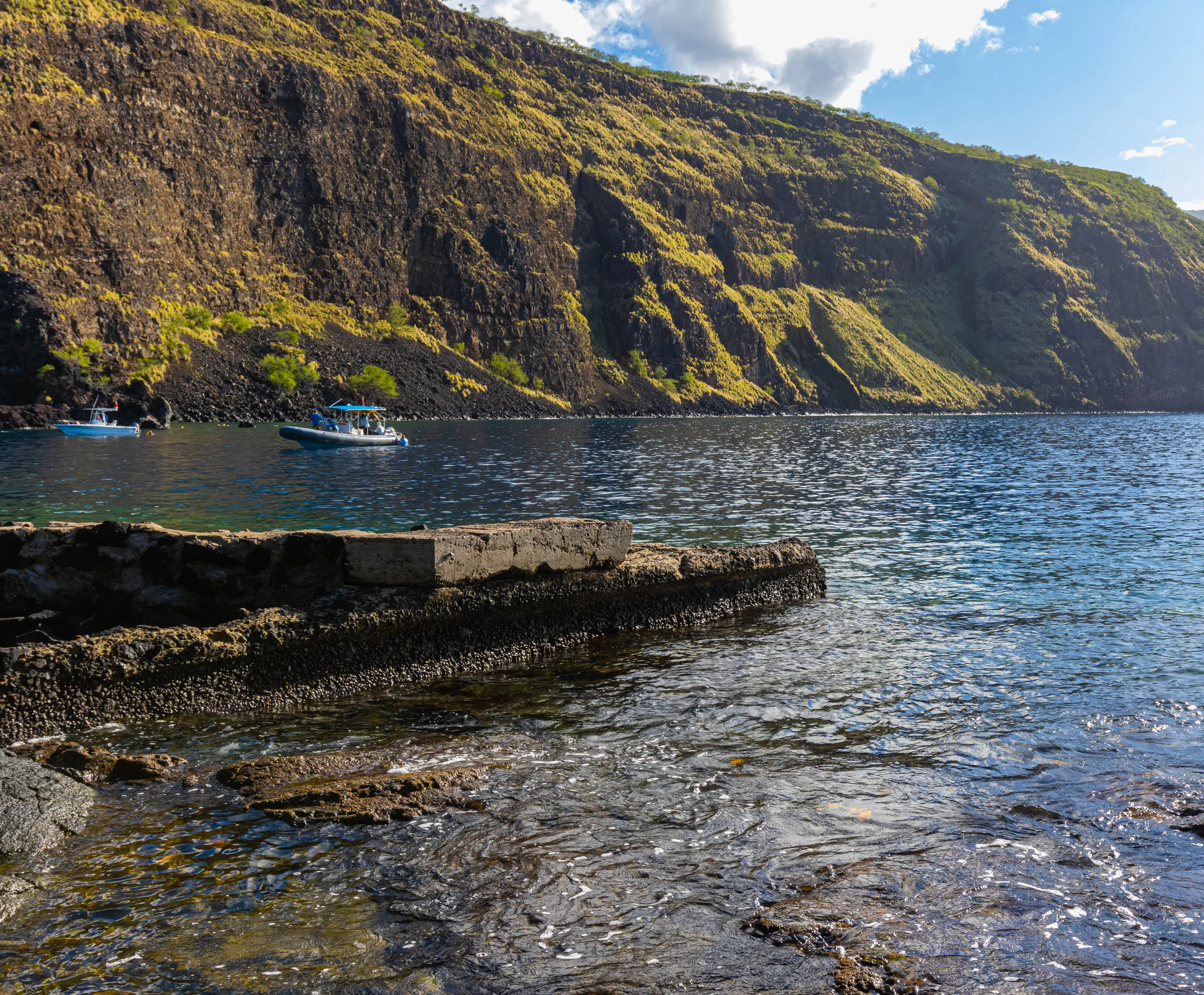
Best beaches on the Big Island: what each one offers
Prices and details checked on October 21, 2026How we compare tours
Start with Kahaluu Beach, Waialea Bay and Kiholo Bay for the best beaches on the Big Island.
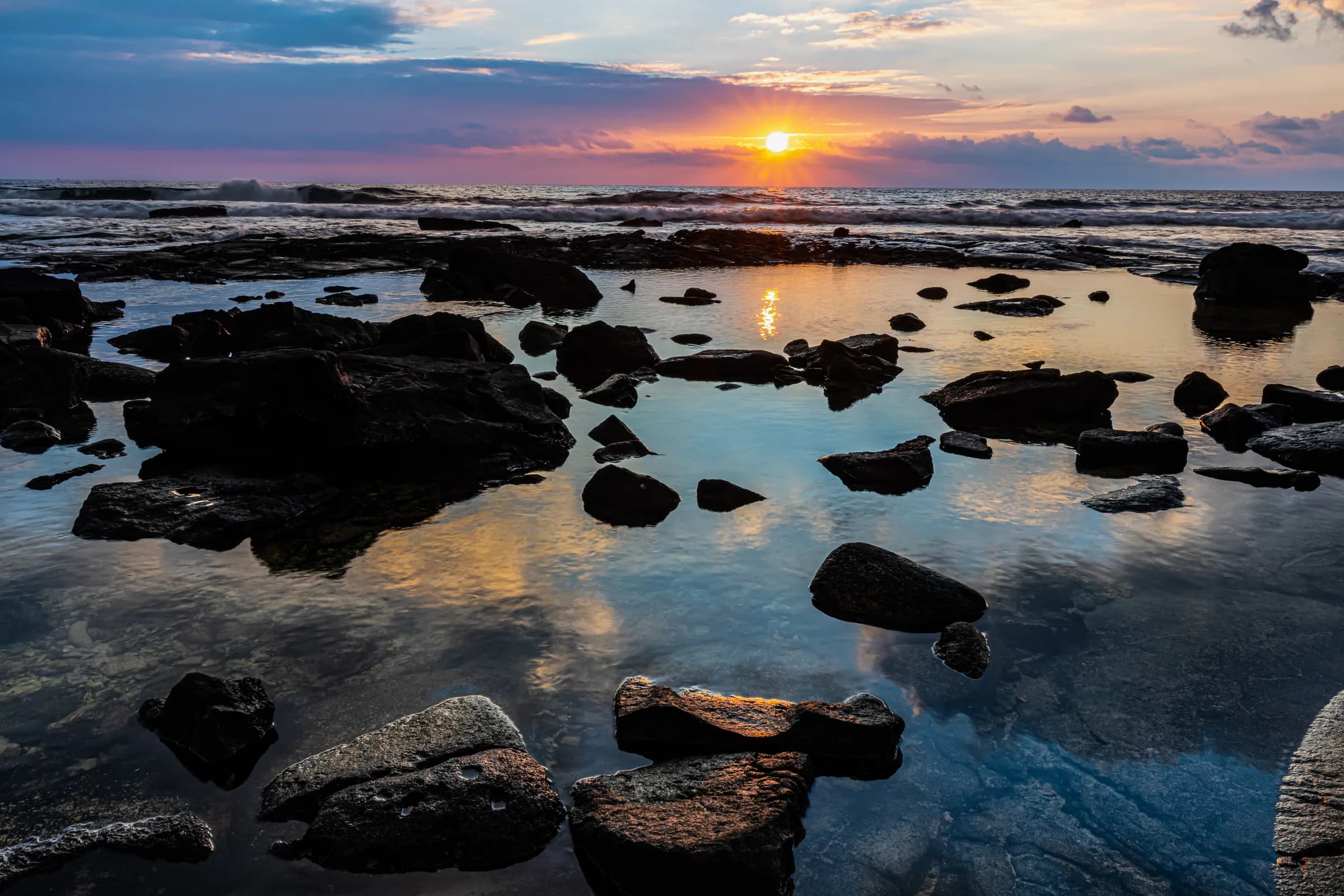
Start with Kahaluu Beach, Waialea Bay and Kiholo Bay for the best beaches on the Big Island.
Kahaluu Beach has lifeguards every day, and Waialea Bay is somewhat sheltered and popular for snorkeling and scuba. Choose your beach by what you plan to do in the water, since each spot below suits a different use.
Which places are best on the Big Island?
Pick the spot by the activity you want, not by a single ranking. Kahaluu Beach allows swimming, surfing, picnicking and snorkeling, but kayaking is not allowed. Kiholo Bay is a state park for beachgoing, camping, fishing, snorkeling and wildlife viewing. The Mahaiʻula section of Kekaha Kai State Park has a picnic area with tables. If your plan centers on a picnic, the Mahaiʻula section is the one to pick.
| Place | What you can do | Good to know |
|---|---|---|
| Kahaluu Beach | The county lists swimming, surfing, picnicking and snorkeling, and kayaking is not allowed. | Lifeguards from the Hawaii Fire Department Ocean Safety Division staff the beach park every day. |
| Kekaha Kai State Park | The Mahaiʻula section has a picnic area with tables. | Dangerous rip currents and pounding shore breaks occur during high surf; when waves are over three feet, only experts should go in and everyone else should stay out of the water and away from the shoreline. |
| Kiholo Bay | The state lists beachgoing, camping, fishing, hiking, sightseeing, snorkeling, swimming and wildlife viewing as park activities. | There are no full-time emergency or lifeguard services at the park. |
| Waialea Bay | Its marine life diversity makes it a popular site for snorkeling and scuba. | The bay is somewhat sheltered, but high surf occurs in winter. |
| Kaloko Honokohau | Honokōhau Beach is a 20-minute walk from the visitor center or a 5-minute walk from the entrance near Honokōhau Harbor. | Almost half the park is underwater, with nearshore coral reefs and hundreds of anchialine pools. |
When are the conditions safest on the Big Island?
Winter is the season to watch, because Waialea Bay has high surf then. If your trip falls in winter, keep Waialea Bay on your list only if you are comfortable with that surf. The National Weather Service marine forecast is the source to read for the day you go. Conditions at Kahaluu Beach change rapidly, with large waves, strong currents, sharp rocks and sea urchins as common hazards, so look at the water yourself when you arrive, before you go in.
How do you get to each spot, and where do you park?
Kahaluu Beach has parking on site. Waialea Bay has parking too. Honokōhau Beach is a 20-minute walk from the visitor center, or a 5-minute walk from the entrance near Honokōhau Harbor. Plan the drive between spots on a map before you leave, and build in time for each stop.
What rules and hazards should you know about at these spots?
Kekaha Kai State Park has dangerous rip currents and pounding shore breaks during high surf. When waves are over three feet, only experts should go in, and everyone else should stay out of the water and away from the shoreline. Kiholo Bay has no full-time emergency or lifeguard services, and Waialea Bay has no lifeguards on duty. Read the lifeguard details for each spot before you choose where to swim. Sea turtles are often seen near Honokōhau Beach. They are protected by federal law, so stay at least 20 feet away.