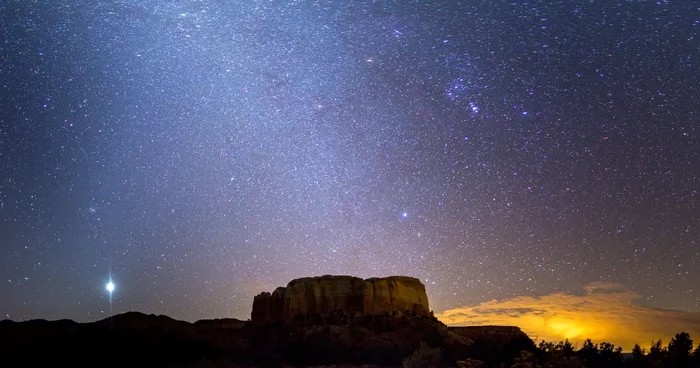
Maunakea's summit is reached by Maunakea Access Road off the Daniel K. Inouye Highway, past the Visitor Information Station partway up. The land around the station and summit is a conservation district, not a park, and the summit area is closed from shortly after sunset until shortly before sunrise. The altitude can cause altitude sickness, which can lead to life-threatening pulmonary and cerebral edema. The Center for Maunakea Stewardship says not to go above the station if you are pregnant, intoxicated, have been scuba diving in the prior day, or have high blood pressure or a heart or respiratory condition, and it sets a minimum age for children. Acclimate at the station before going higher, and descend at once and get medical help if you feel thirst, shortness of breath, headache or nausea. Two-wheel drive vehicles are not permitted above the station; past it the pavement soon ends in steep graded gravel, so use four-wheel drive in low range and ask your rental car company whether you may drive on Maunakea. Visibly dirty or muddy vehicles are turned away, and there are no public gas stations nearby, so arrive with plenty of fuel. Winter conditions can come at any time, with freezing temperatures, very high winds and zero-visibility whiteouts, so bring warm layers, water, sunscreen and sunglasses, and obey all road and area closures. Cell phones are for emergency calls, and help may be hours away. For stargazing after dark, descend to below Park Two; the station notes you can see more stars from the Visitor Information Station than from the summit.
Two-wheel drive is not permitted above the Visitor Information Station; use four-wheel drive low range and check your rental car terms.