Hawaii Volcanoes National Park Tours
Every way to see Hawaii Volcanoes National Park, compared. Circle island tours, half-day shuttles from Kona, twilight crater tours, guided hikes and the only e-bike tour inside the park, with real prices and departure times.
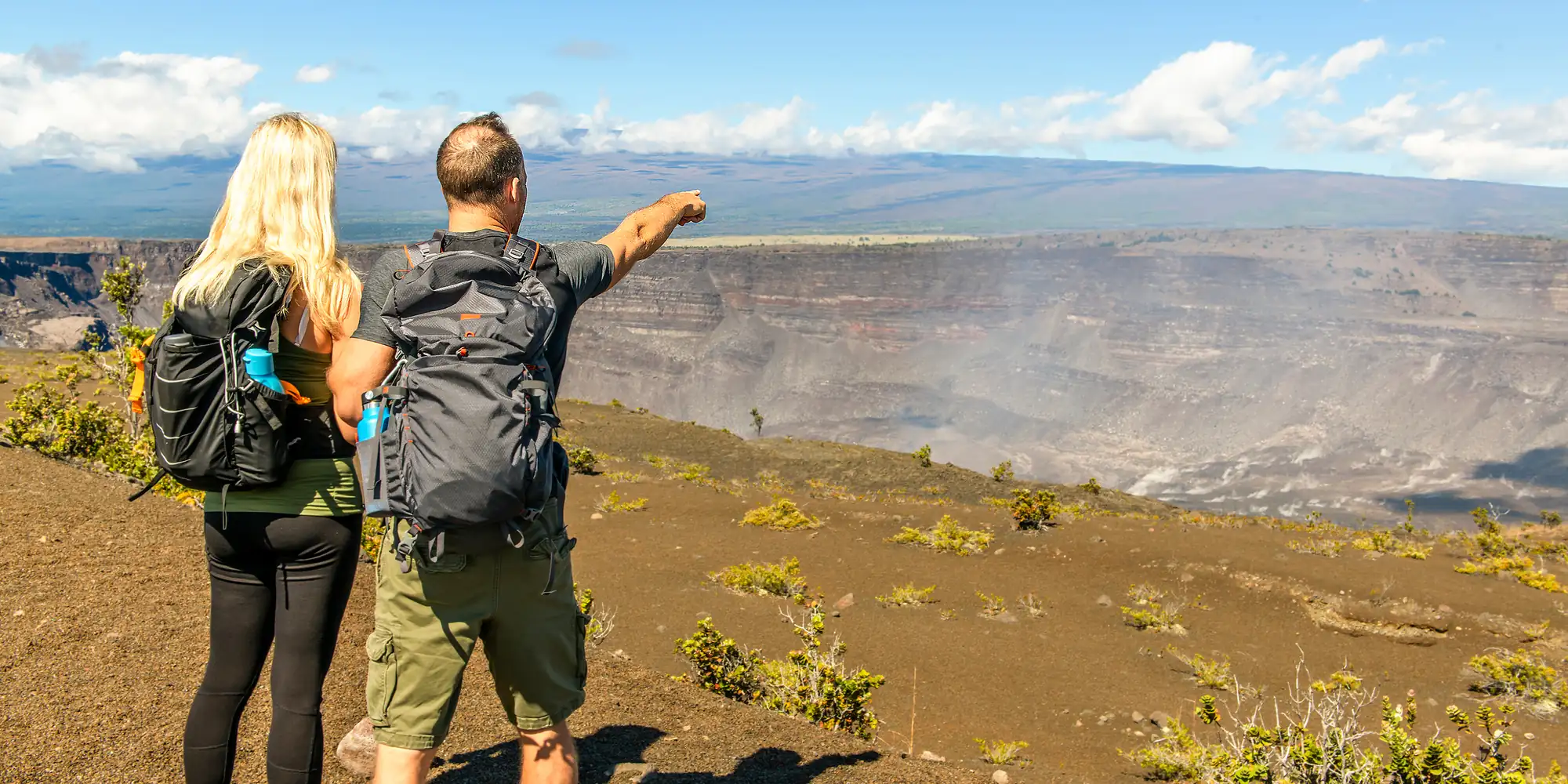
Hawaii Volcanoes National Park is the one place on Hawaii Island that resets your sense of scale. You stand at the rim of Kīlauea Caldera, look across a crater a mile wide with steam venting out of the ground, and it lands that this is an active volcano and you are standing on it.
The park sits on the southeast side of the island. It is about 45 minutes from Hilo and about two and a half hours from Kona, and that single fact decides almost everything about how you should visit. This guide covers every way in: what each tour type actually gives you, what it costs, and who it suits.
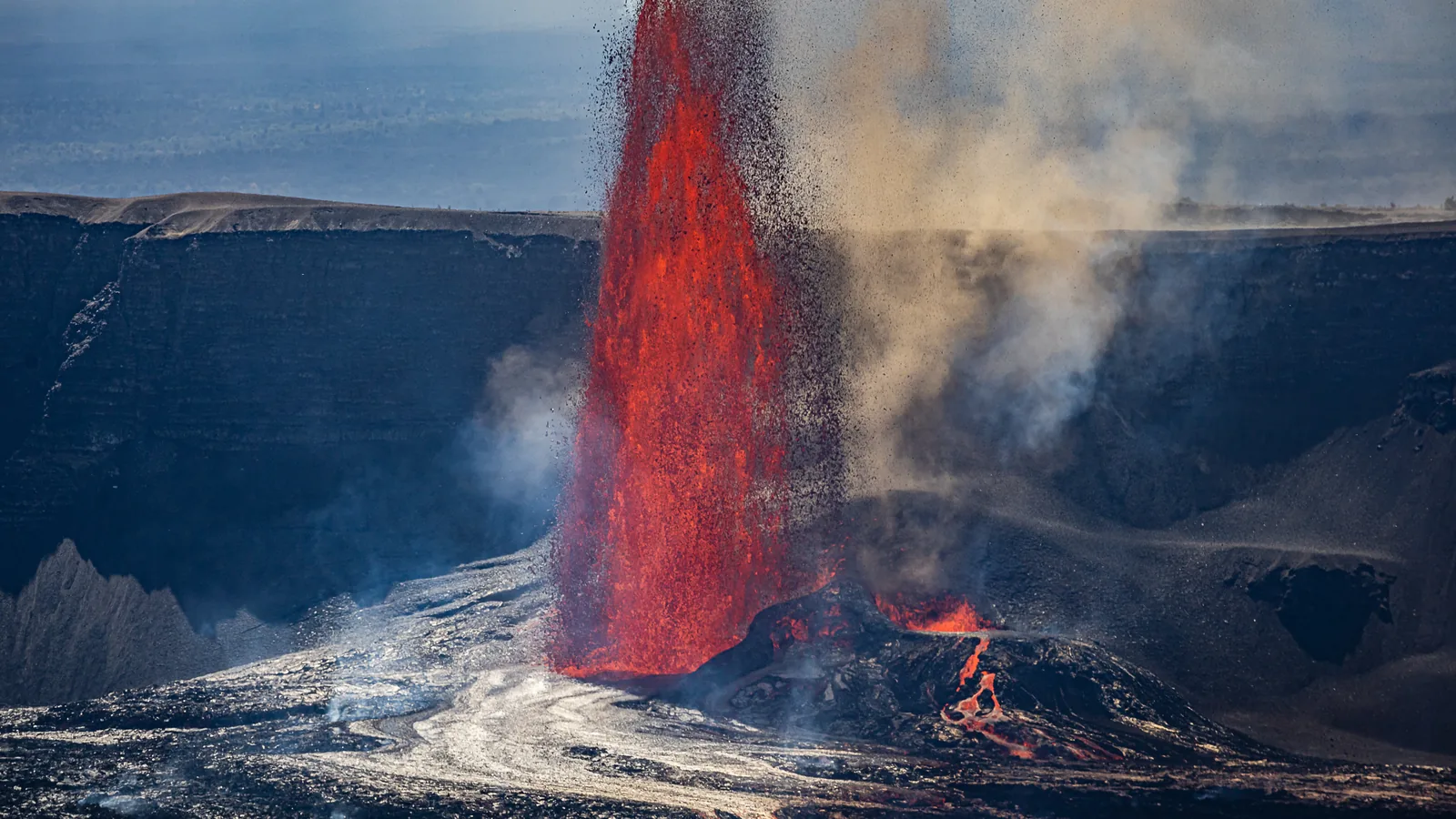
An eruption is underway or unrest has escalated. Glow is often visible after dark, though viewing areas depend on where the activity is and some may be closed.
Alert level from the USGS Hawaiian Volcano Observatory. Conditions change without much warning, so check it again close to your trip.
Start here: where are you staying?
Almost every other decision follows from this one.
Staying in Kona, Waikoloa or along the Kohala Coast. You are looking at a 4 to 5 hour round trip in the car before you have seen anything. This is the case for taking a tour. Someone else drives, you arrive rested, and the transit time turns into commentary instead of dead miles. Expect a 10 to 12 hour day, or 6 to 7 hours if you take a shuttle-style half-day tour.
Staying in Hilo or Volcano Village. The park is on your doorstep. Self-driving makes real sense here, and if you do want a guide, the Hilo departures are shorter and cheaper than anything leaving the Kona side. The cheapest guided option on this page departs Hilo.
Doing a day trip from a cruise ship. You are working against a hard departure time. Look at the shorter in-park options rather than a full circle island loop.
The tour types, compared

| Type | Hours | In the park | From | Departs | Best for |
|---|---|---|---|---|---|
| Circle island | 11-12 | 1.5-2h | $239 | Kona, Kohala | First visit, the whole island in a day |
| Half-day shuttle | 6.5 | 3-4h | $198 | Kona, Kohala | The park without the 12-hour day |
| Full-day, volcano focused | ~11 | 4-5h | $282 | Kona | Depth in the park, not an island loop |
| Twilight and stargazing | 12 | ~3h, into dark | $269 | Kona | Crater glow after dark |
| Evening from Hilo | 7 | 4-5h | $159 | Hilo | Cheapest guided option |
| Guided hike | 7-12 | 4-5h on foot | $234 | Kona, Waikoloa, Hilo | Actually walking the place |
| E-bike in the park | 3 | All 3h | $199 | In-park | Active, no car, no long hike |
| Self-drive | Your call | Your call | $30/vehicle | - | Hilo and Volcano Village stays |
Circle island tours
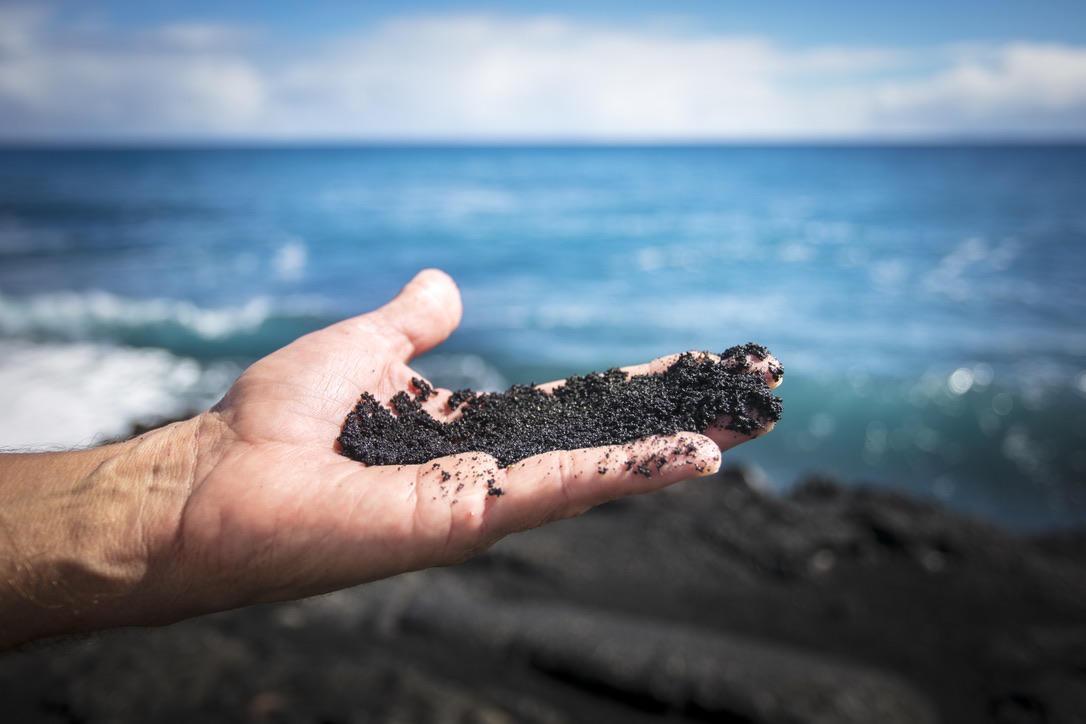
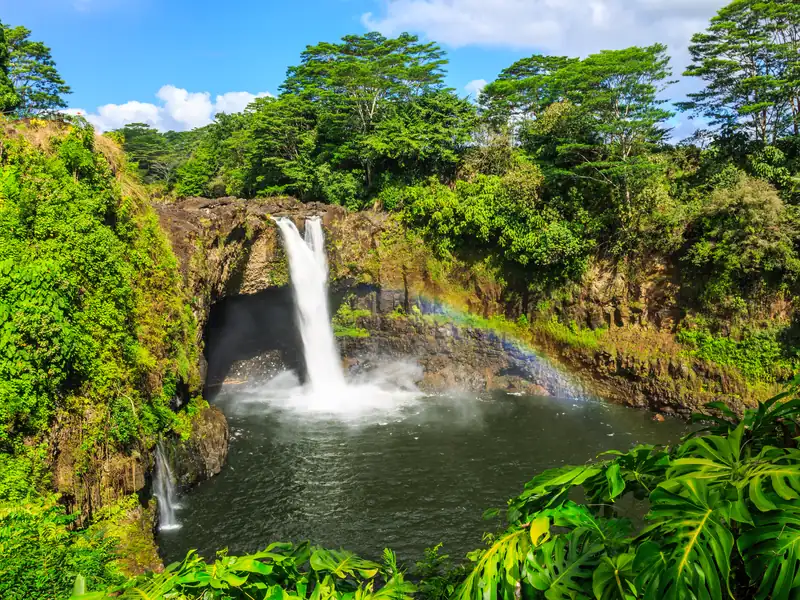
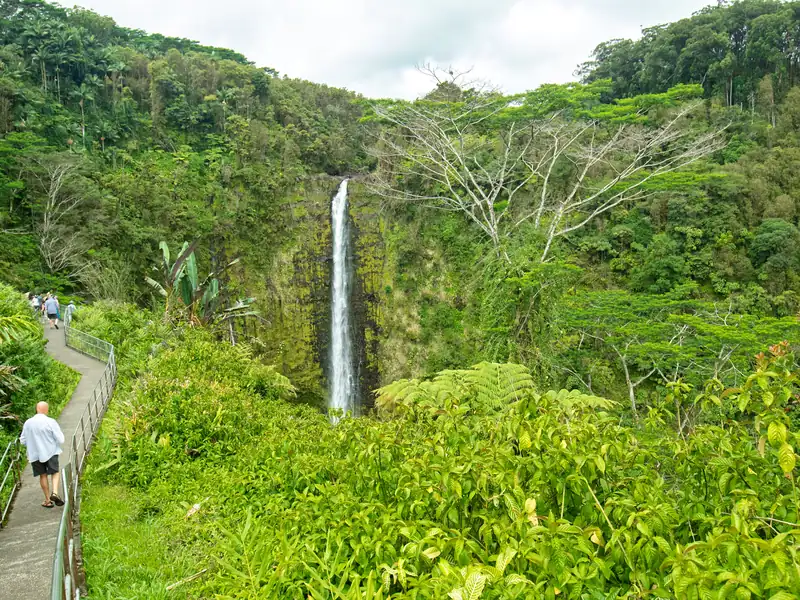
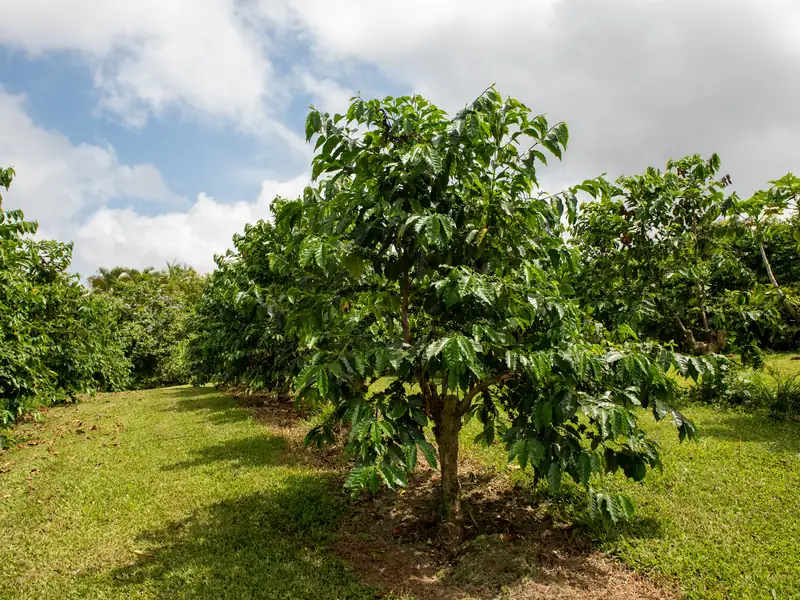
These loop the island with the park as the centerpiece. A typical day pairs Kīlauea with a Kona coffee farm, Punaluʻu Black Sand Beach where green sea turtles haul out, and one or two of the Hamakua Coast waterfalls.
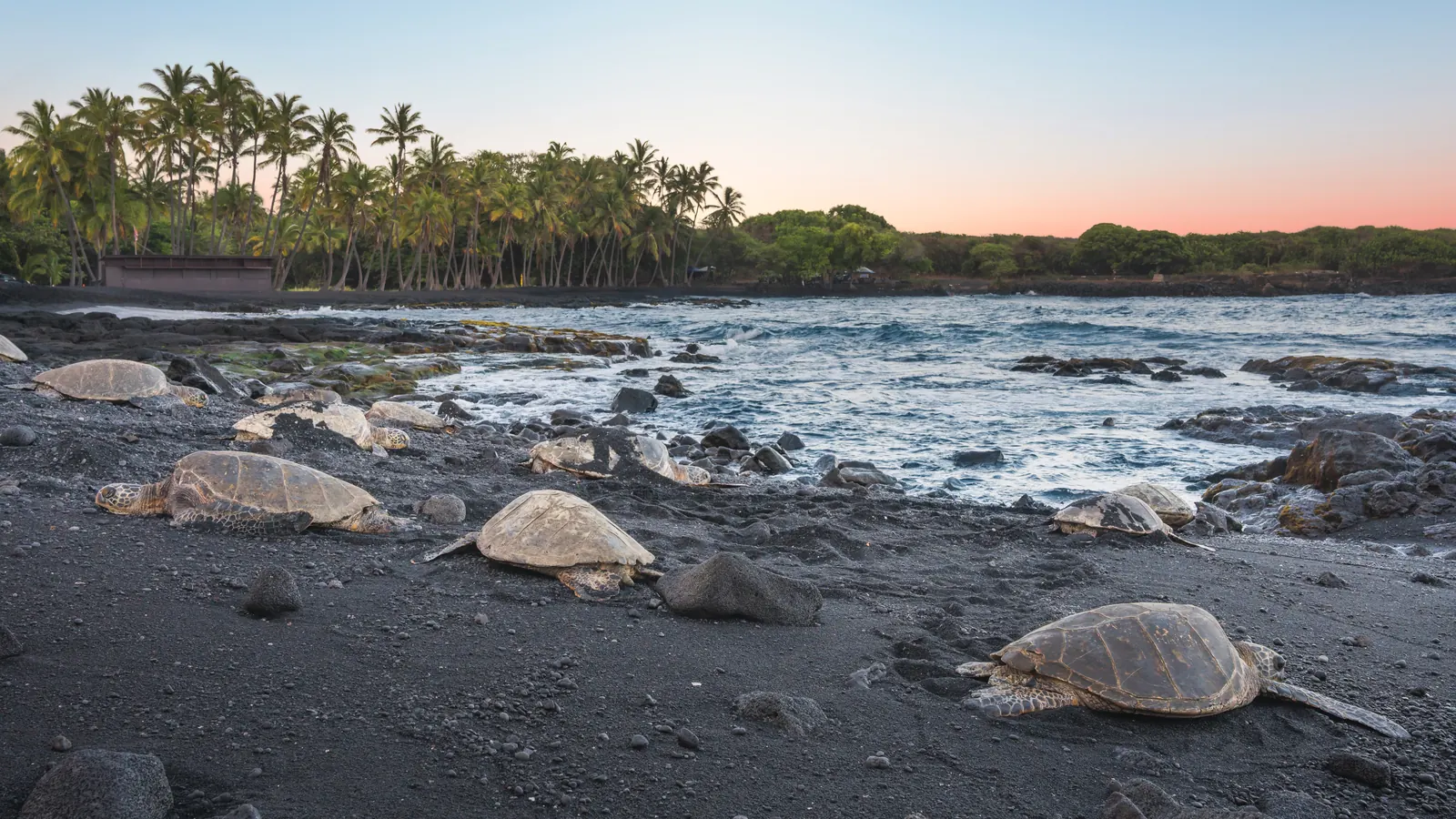
The honest trade-off: you get roughly 1.5 to 2 hours inside the park. That is enough for the caldera overlook, Nāhuku (Thurston Lava Tube) and the main viewpoints. It is not enough to hike anything. You are buying breadth, not depth.
The Wasabi Tours Hawaii circle island tour runs 11 to 12 hours with pickups between 7 and 8 AM from Keauhou, Kona, Waikoloa and Kohala. Groups cap at 13, and lunch, snacks, park entrance and jackets are included.
Big Island Grand Circle Island Tour
Direct with the operator. They take your booking and run your tour. We may earn a commission, never added to your price.
Half-day shuttle tours
The option most visitors do not know exists. Kailani's Volcano Shuttle runs from the North Hawaii resorts to the park and back in about six and a half hours, pickup from 7 AM, returning early afternoon. You get more time in the park than a circle island tour gives you, and you get your evening back. Minimum age 5.
If the 12-hour day is what has been putting you off, this is the answer.
Volcano Shuttle Tour - 8AM Departure
Direct with the operator. They take your booking and run your tour. We may earn a commission, never added to your price.
Full-day volcano focused tours
Same length as a circle island tour, but the time goes into the park instead of into stops around the island. Kailani's full-day tour runs about 11 hours from Kona in a Mercedes Sprinter, taking in the visitor center, the crater overlooks and the lava tube with time to walk.
Pick this over a circle island tour if the volcano is the reason you came and the waterfalls are a bonus you can take or leave.
Big Island Highlights Volcano Day Tour
Direct with the operator. They take your booking and run your tour. We may earn a commission, never added to your price.
Twilight and evening tours
The park changes after dark. When Kīlauea is active, the glow off Halemaʻumaʻu against a black sky is a different experience from the same view at noon, and it is the version people remember.
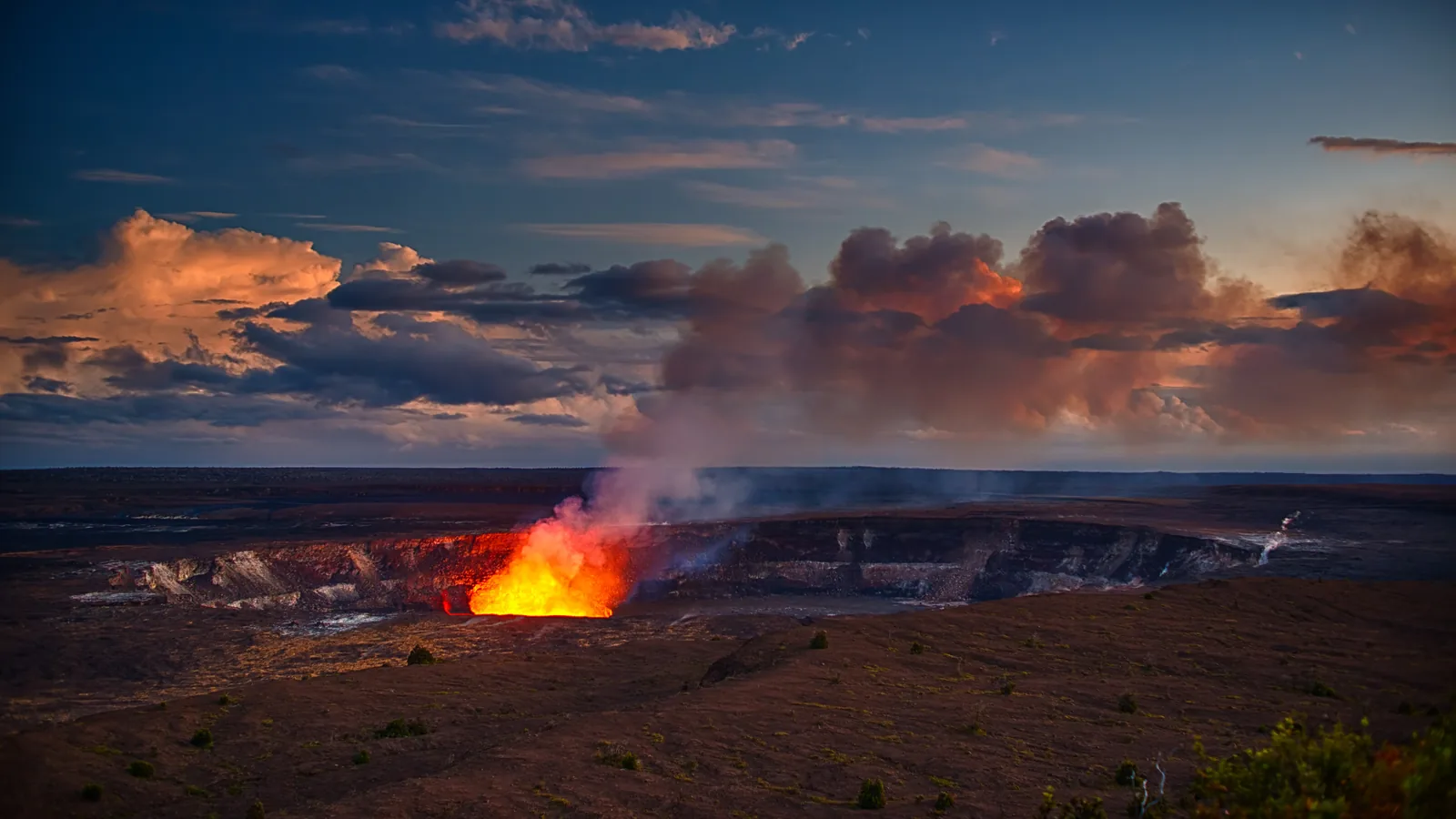
Two routes in. Wasabi's Twilight Volcano and Stargazing Tour runs 12 hours with pickups from 9:30 to 11 AM, spends around three hours in the park, roughly twice what the circle island tour gives you, adds a restaurant dinner and finishes with stargazing near Mauna Kea. Minimum age 5.
Twilight Volcano and Stargazing Tour
Direct with the operator. They take your booking and run your tour. We may earn a commission, never added to your price.
KapohoKine's Evening Volcano Explorer runs the same idea from a different angle, starting at a working Kona coffee farm above Kealakekua Bay and coming through Punaluʻu.
Evening Volcano Explorer - Kona Pick-Up
Direct with the operator. They take your booking and run your tour. We may earn a commission, never added to your price.
The same operator runs it from Hilo in 7 hours instead of 12, at the lowest price of any guided option here. That version includes the walk across the lava flow at Kalapana to the new black sand beach at Kaimū.
Evening Volcano Explorer- Hilo
Direct with the operator. They take your booking and run your tour. We may earn a commission, never added to your price.
One caveat worth knowing before you book an evening tour: whether there is visible glow depends on what the volcano is doing that week. The caldera, the lava tube and the craters are there regardless. Liquid lava is not guaranteed by anyone, and any operator promising it is overselling.
Guided hikes
If you want to understand the place rather than look at it, walk it. The park has more than 150 miles of trail.
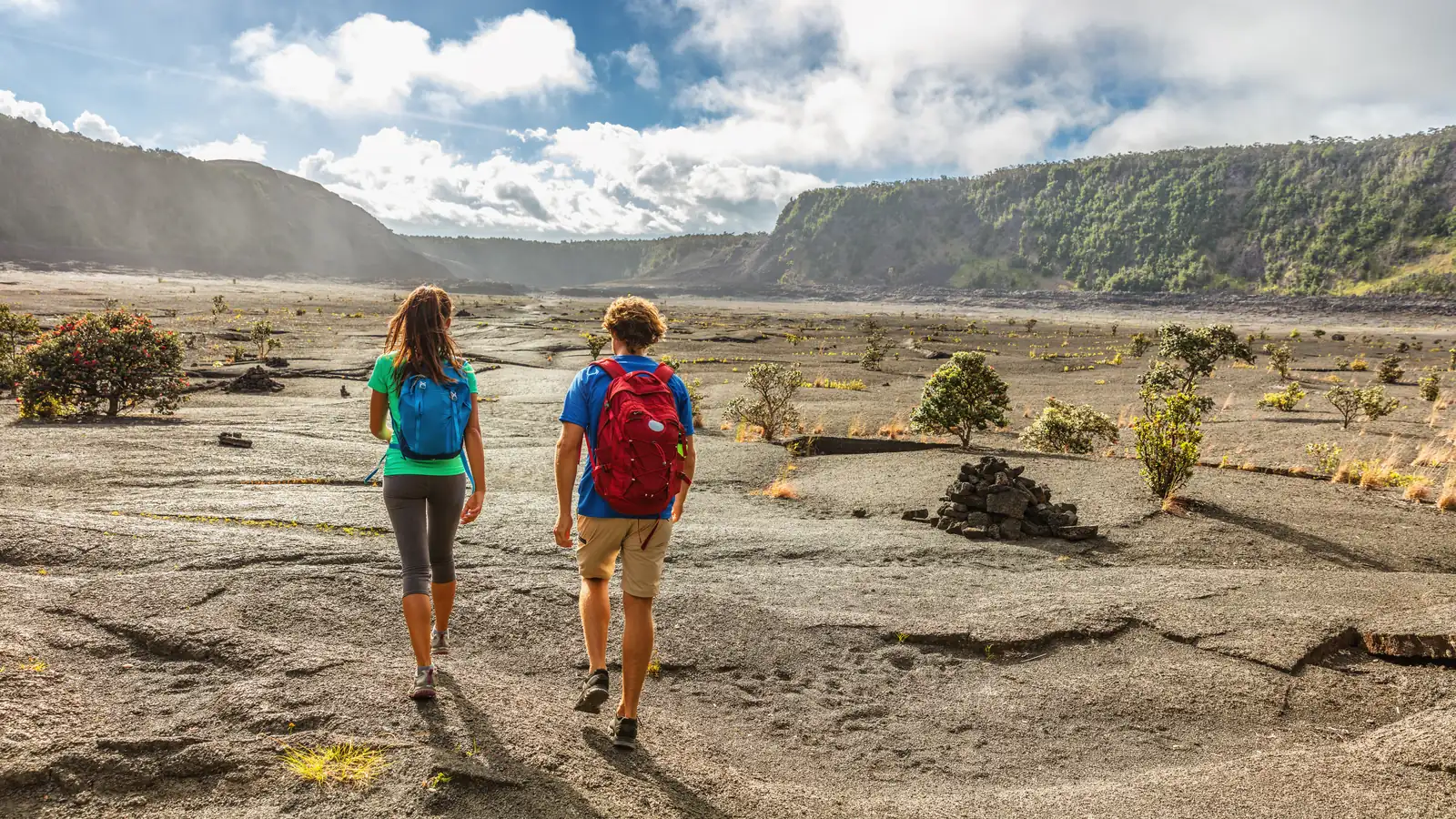
Hawaii Forest & Trail's Volcano Direct Hiking Adventure is built for this rather than for sightseeing: up to three miles on foot with an interpretive naturalist guide, who picks the trails on the day based on current volcanic activity and park conditions. Length depends where you leave from, 11 to 12 hours from Kona, 10 to 11 from Waikoloa, 7 to 8 from Hilo. Minimum age 6, rated moderate.
Volcano Direct Hiking Adventure
Direct with the operator. They take your booking and run your tour. We may earn a commission, never added to your price.
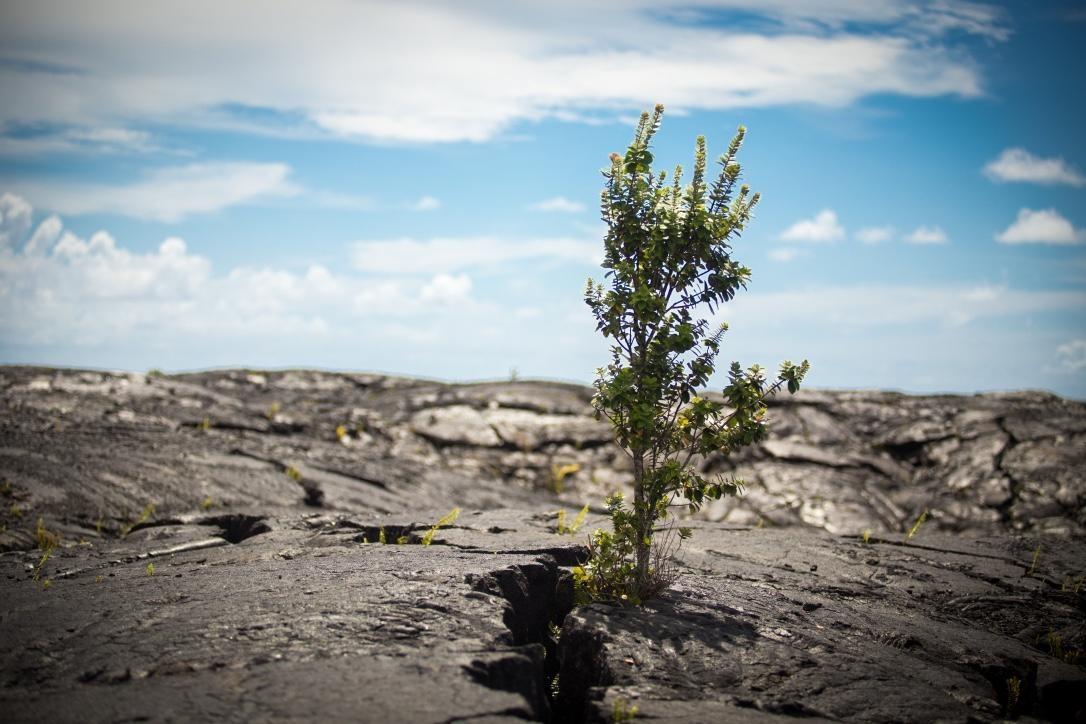
The trail most people come for is Kīlauea Iki, which drops through rainforest onto the solidified floor of a lava lake that was fountaining 1,900 feet in the air in 1959. The Park Service rates it moderate to challenging and describes it as steep and rocky, with 400 feet of descent and the same back up. Take that rating seriously. It is not a stroll.
Worth knowing if you are self-driving: parking at the Kīlauea Iki Overlook is extremely limited and can be full at peak hours. The Park Service recommends starting instead from the Kīlauea Visitor Center, the Devastation trailhead or the Puʻupuaʻi parking area.
E-bike tours inside the park
Volcano Ohana runs the only e-bike tour operating inside the park. Three hours on fat-tire pedal-assist bikes covering the main stops, groups capped at 12.
This sits in a genuine gap: more engaging than a van window, less demanding than the Kīlauea Iki descent, and you cover far more ground than walking without hunting for parking. The pedal assist does the climbing. Minimum age is 15, so it is out for families with younger children.
3 Hour Fat Tire E-Bike Tour - Volcanoes National Park
Direct with the operator. They take your booking and run your tour. We may earn a commission, never added to your price.
Meeting a guide at the park
If you are staying in Volcano Village or Hilo and have your own car, you can skip the transport entirely and meet a certified interpretive guide at the Kīlauea Visitor Center for a private walking tour of two to three hours. It suits people who want the interpretation without the day-long commitment, and it is the only format where you set the pace.
We are not featuring a specific tour in this format yet, because the operators offering it price per party rather than per person and we want the pricing shown correctly before we recommend one. Browse the volcano tours and filter to departures in Volcano if you want to look at these directly.
Helicopter tours
Helicopter flights over the volcano are worth wanting, and they mostly depart from Hilo. We do not currently work with an operator running volcano flights, so we have nothing to recommend here rather than something to sell you. Our helicopter tours guide covers what is available on the island more broadly.
Guided tour or drive yourself
Self-driving gives you the pace. You stop where you want, stay as long as you want, and skip what does not interest you. The park roads are well marked and the visitor center is good. Fill the tank in Volcano Village before you go in, because there is no fuel inside the park.
What you give up is the interpretation. A lot of what makes this landscape extraordinary is not visible from the road. The geology, the Hawaiian cultural significance and the eruption history are the difference between looking at black rock and understanding what you are standing on.
The straight answer: from Kona, take a tour. The drive alone justifies handing over the keys. From Hilo or Volcano Village, drive yourself and give it a full day, unless you specifically want a guide's commentary or you want to hike with someone who knows the trails.
Fees, passes and paying
- Private vehicle: $30, valid 7 days and covering everyone in the vehicle.
- Motorcycle: $25. On foot or by bicycle: $15 per person.
- Hawaiʻi Tri-Park Annual Pass: $55. Covers this park plus Haleakalā and Puʻuhonua o Hōnaunau. If you are also doing Maui, it pays for itself immediately.
- An America the Beautiful pass covers entry, and seniors, military, visitors with a permanent disability and families with a 4th grader qualify for a free or discounted one.
Two practical points that catch people out. The park does not accept cash. And if you buy a digital pass online, print it or screenshot it before you arrive, because connectivity inside the park is limited and you need to be able to show it.
Most guided tours include the entrance fee. Check yours rather than assuming.
What you will actually see
Kīlauea Caldera and Halemaʻumaʻu. The main event. Overlooks along the crater rim, several of them paved and accessible.
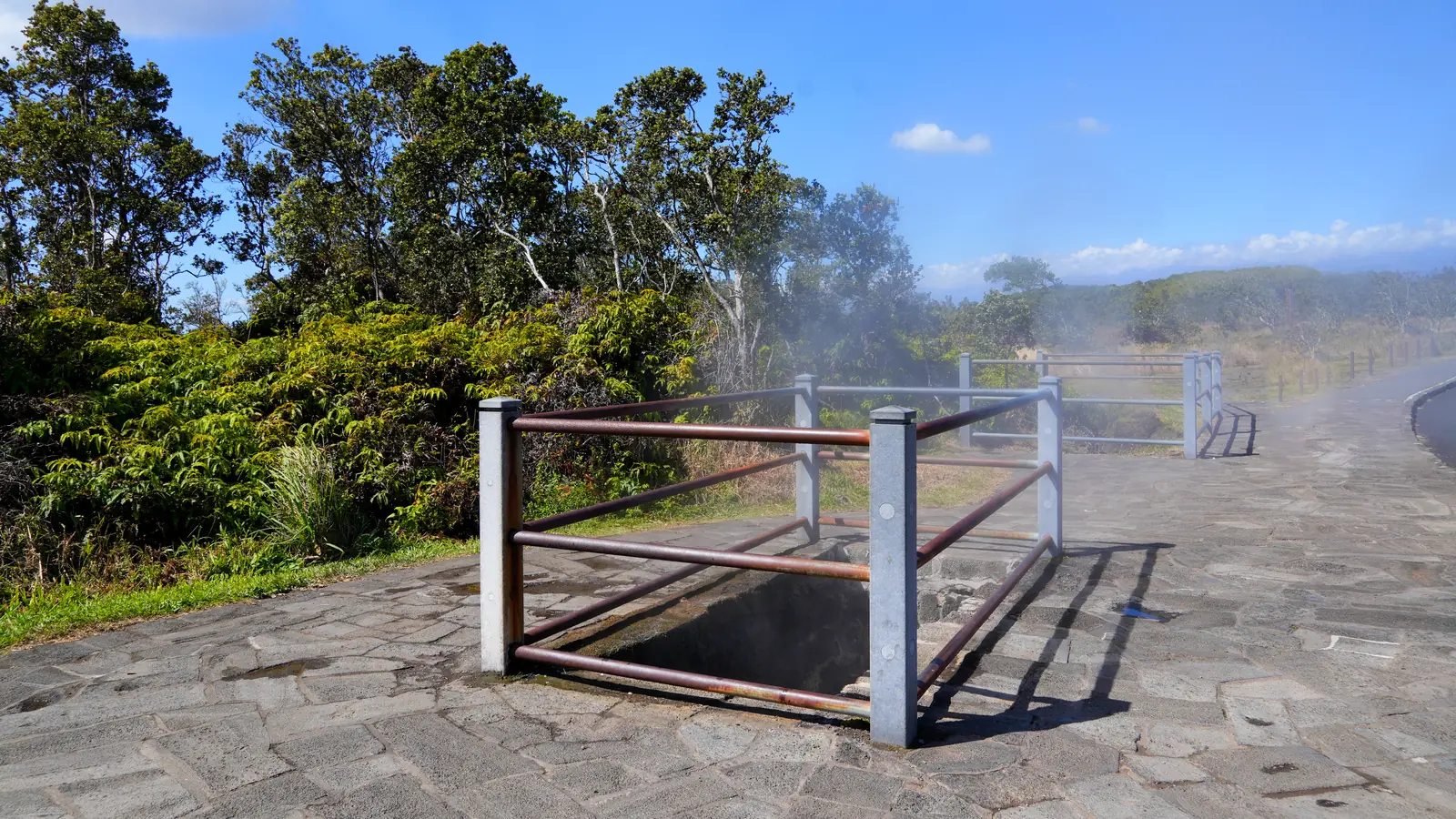
Steam vents. Groundwater meeting hot rock, venting straight out of the ground beside a paved path. They are there in every phase of the volcano's cycle, which is exactly why a quiet phase is still worth the trip.
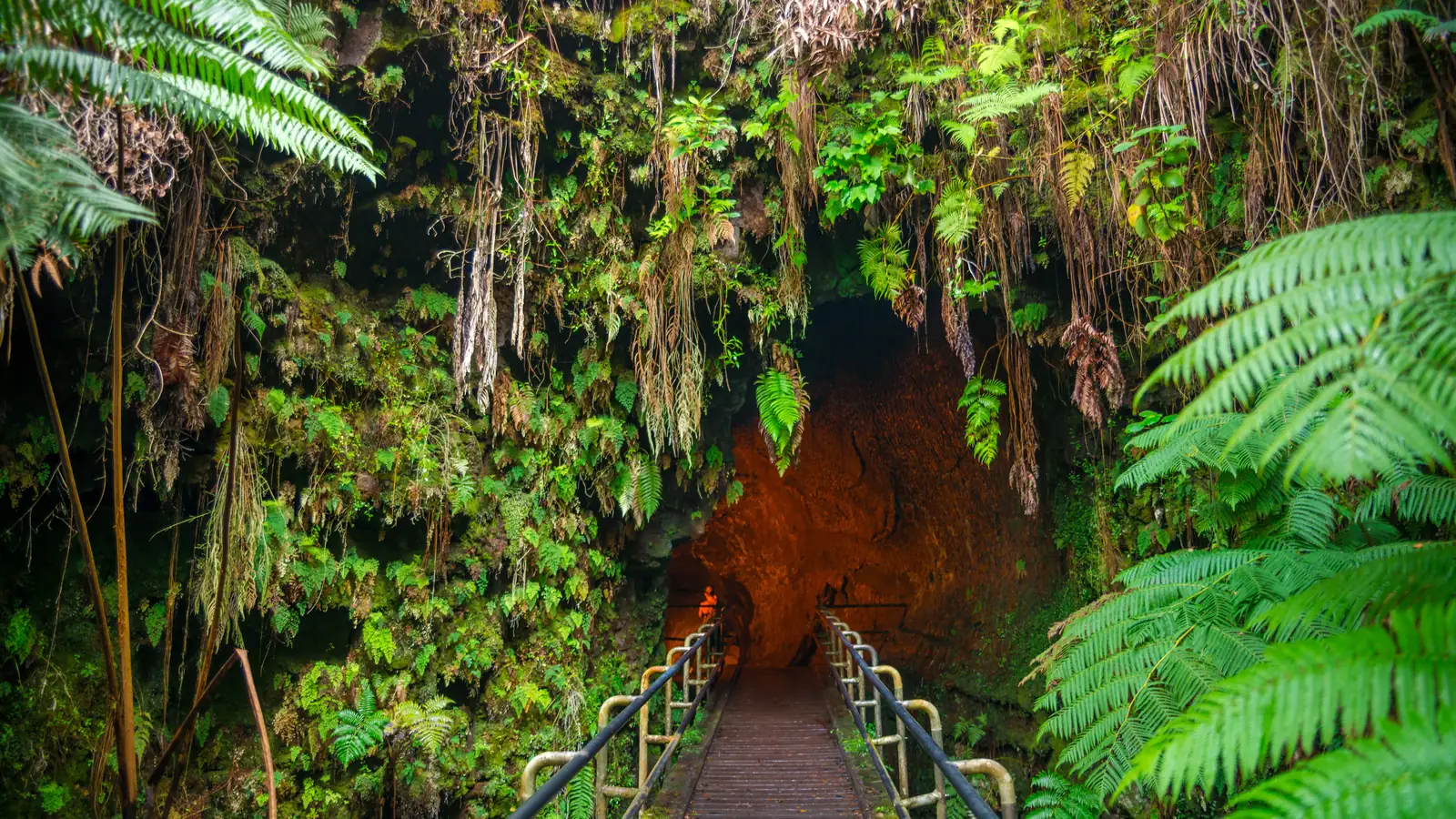
Nāhuku (Thurston Lava Tube). A walk through a lava tube in the middle of a tree fern forest. It is lit from 8 AM to 8 PM only, which matters if you are on an evening tour. The Park Service flags rockfall, low ceilings, standing water and tripping hazards, so it is easy but not effortless.
Kīlauea Iki. The crater floor described above.
Devastation Trail. A flat boardwalk through the cinder field left by the 1959 eruption, with Puʻupuaʻi cinder cone above it. One of the easiest walks in the park and one of the strangest landscapes.
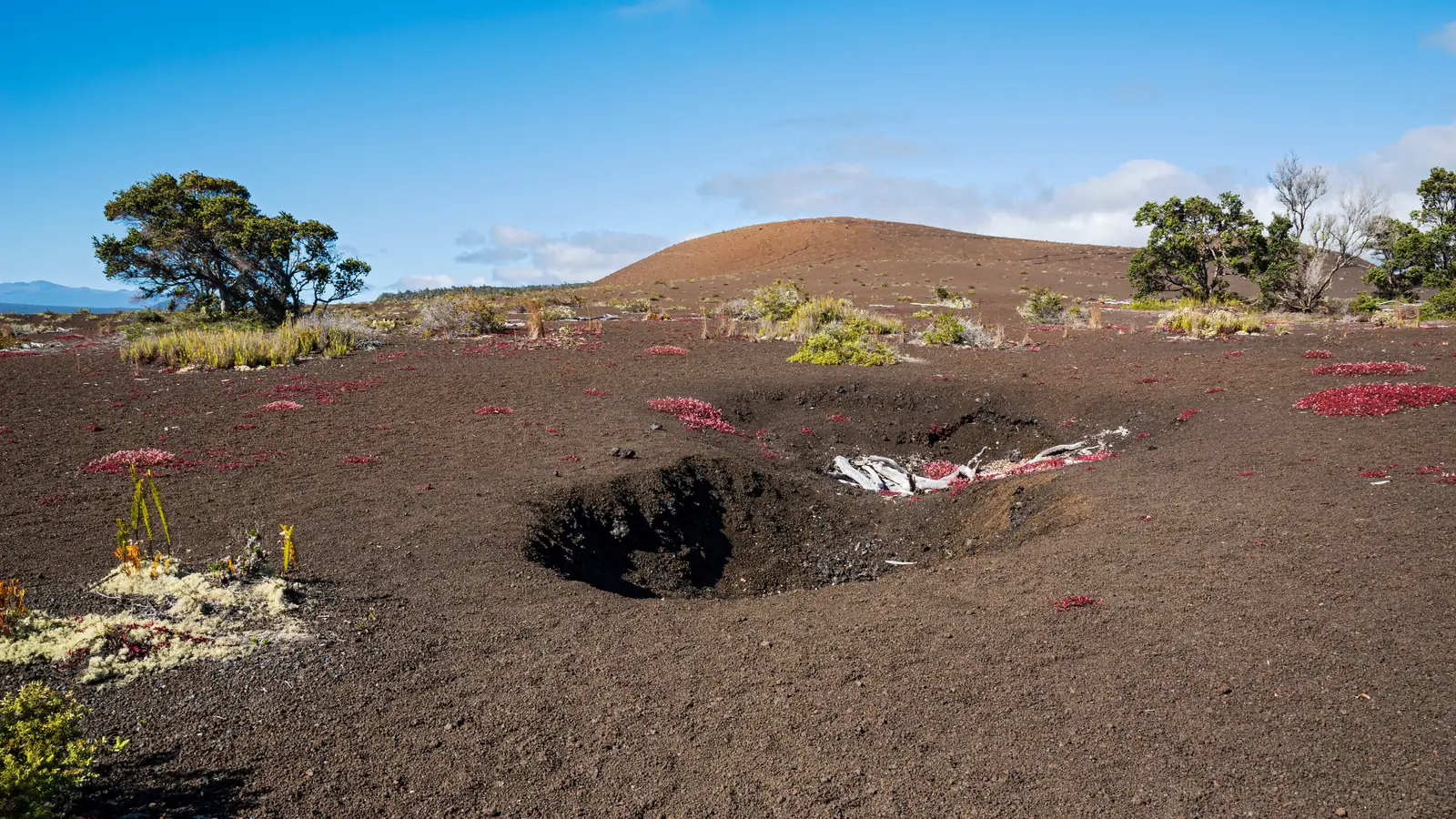
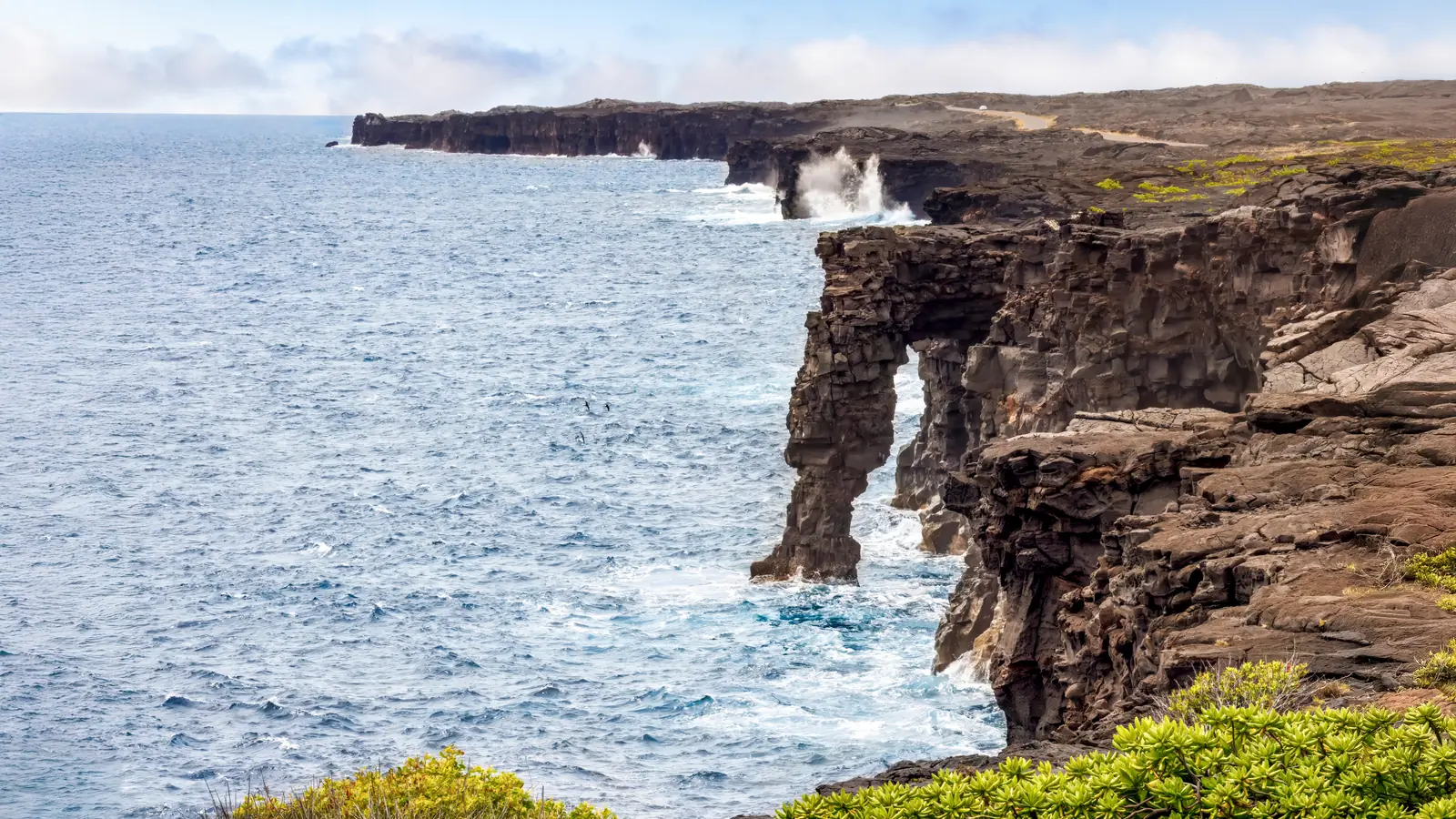
Chain of Craters Road. Descends 3,700 feet over 19 miles, past petroglyphs and old lava flows, ending where lava buried the road. The Hōlei Sea Arch at the bottom is worth the drive. Budget 2 to 3 hours to do it with stops. Most circle island tours skip it, which is the strongest argument for a focused tour or for driving yourself.
Beyond the volcano: the other circle island stops
If you take a circle island tour, the park is the centerpiece but not the whole day. These three are the stops that show up on most itineraries.
Timing your visit
Time of day. Mornings bring fewer people and clearer skies. Cloud and fog roll in through the afternoon on a lot of days. If you are self-driving, start early. If you want the glow, go late and stay past sunset.
Season. Open year round. December to February is wetter and quieter. Summer is busiest. April to May and September to October are the sweet spot for weather and crowds together.
What to bring
The park sits at about 4,000 feet and the weather has nothing to do with the resort coast.
- Layers and a rain jacket. Expect 15 to 20°F cooler than the coast. Mornings can be in the low 50s.
- Closed-toe shoes. Lava rock is sharp and unforgiving. Hiking shoes or sturdy trainers, not sandals.
- Water and snacks. Food options inside the park are limited. A litre per person minimum.
- A torch if you are staying past dark.
- Binoculars for nēnē and for distant volcanic features.
Guided operators will remind you of all this. People still turn up in flip-flops and a tank top and spend the visit shivering.
Accessibility
Better than most people expect. The main crater rim overlooks are paved and wheelchair accessible. Nāhuku is paved. Devastation Trail is a flat boardwalk.
Kīlauea Iki is not accessible: 400 feet of descent and ascent over uneven rock. Chain of Craters Road is mostly driving with short walks at the viewpoints, so it works well for limited mobility. The e-bike tour is a good middle ground for anyone who can ride but does not want a strenuous hike, subject to the minimum age of 15.
Frequently asked questions
Is the volcano dangerous to visit?
Not at established viewpoints and on maintained trails. The Park Service closes anything near active flows. The realistic risks are a rolled ankle on lava rock and dehydration. Sulphur dioxide near the caldera irritates airways, so carry your inhaler if you have asthma.
Will I see lava?
Only if Kīlauea is erupting when you visit, and that changes without much warning. During an eruption you can often see glow from designated overlooks, best after dark. In a quiet phase you see steam vents, the caldera and solidified flows. Check USGS before you travel and do not book on the promise of lava.
What happens if the eruption stops before my trip?
Nothing about your booking changes, and no operator can refund on that basis. Everything else in the park is still there. This is the main reason to choose a tour on its route, its park time and its departure point rather than on the chance of lava.
Is a guided tour worth it?
From Kona, yes, mostly for the driving. From Hilo it is optional unless you want the commentary or you want to hike with a naturalist, in which case it adds a lot.
Do I need to book ahead?
Yes for guided tours, particularly the small-group ones. Several here cap at 12 or 13 guests and some need a minimum number to run at all.
Are park fees included in tours?
Usually, but not always. Check the individual tour before booking.
How much time do I need?
Two hours covers the overlooks, the lava tube and the visitor center. Four to six hours lets you add Kīlauea Iki or Chain of Craters Road. A full day if you want to hike properly and stay for the evening.
Can I do this from a cruise ship?
Yes, but watch the clock. Choose an in-park or half-day option rather than a circle island loop.
What else is nearby?
Volcano Village has good restaurants and B&Bs and is the smart place to stay if you want two runs at the park. Hilo is worth half a day for the farmers market. See our guide to the 15 best Big Island tours and activities.