Kona Coffee Farm Tours: A Tasting Guide (2026)
The Kona coffee belt produces some of the world's finest beans. Visit the farms, taste the coffee, and learn why volcanic soil makes all the difference.
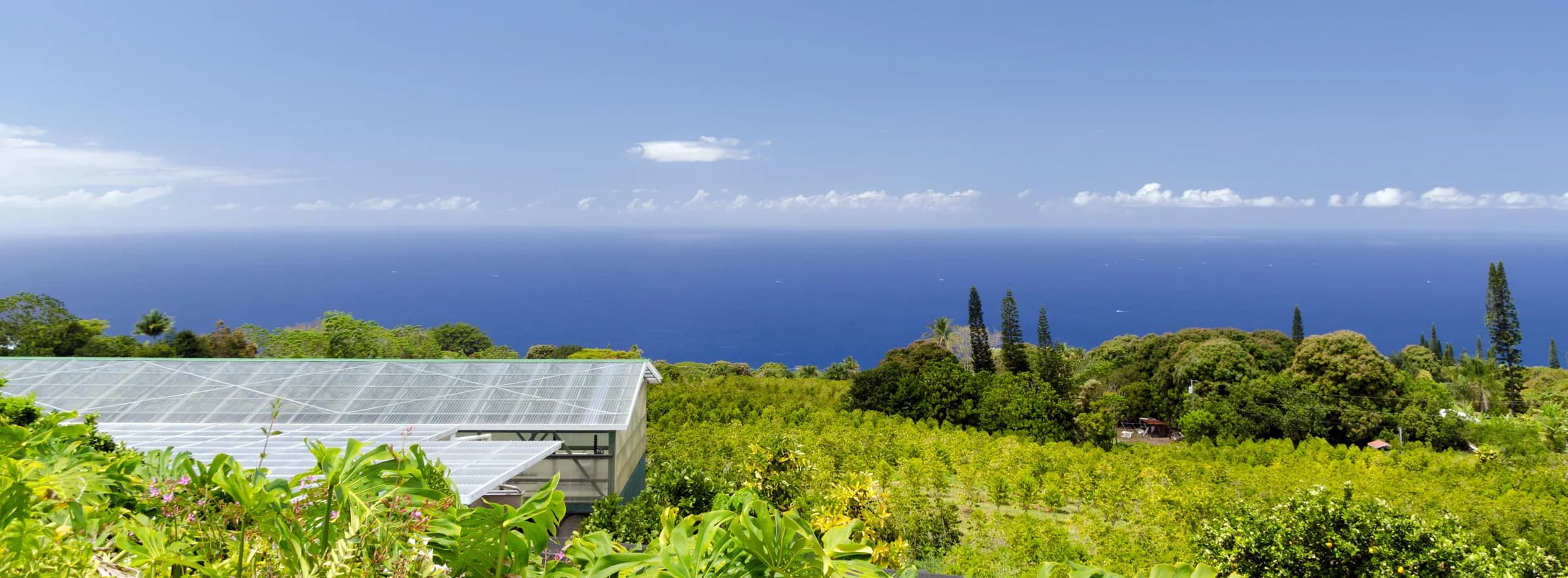
Kona coffee is one of the most expensive and sought-after coffees in the world, and the farms where it grows cling to the slopes of Hualalai volcano at about 1,500 feet elevation, a narrow belt between Kona and Captain Cook where the combination of volcanic soil, morning sun, afternoon clouds, and gentle rainfall creates conditions that coffee trees love. Walking through these farms, tasting beans roasted that morning, and learning why Kona coffee costs $30-50 a pound is one of the island's most underrated experiences.
What Makes Kona Coffee Special
Kona coffee isn't just marketing. The terroir (volcanic mineral-rich soil, mild temperature swings, consistent rainfall patterns, and filtered afternoon light) produces beans with a distinctive smooth, low-acid flavor profile that's noticeably different from Central American or African coffees. The "body" is medium to full, the acidity is mild (many coffee drinkers who normally need cream can drink Kona black), and the flavor notes tend toward chocolate, brown sugar, and subtle fruit.
All real Kona coffee is hand-picked because the steep terrain makes mechanical harvesting impossible. Pickers make multiple passes through each field during the September-January harvest, selecting only ripe cherries. This labor-intensive process is the primary reason for the high price.
The Best Coffee Farms to Visit
Greenwell Farms
Greenwell Farms has been growing Kona coffee since 1850, making it one of the oldest coffee farms in Hawaii. Their free tour walks you through the entire process (growing, picking, pulping, drying, roasting) on a working farm. The tasting room at the end lets you sample multiple roasts and blends. This is the best introduction to Kona coffee for first-time visitors.
Tours: Free, walk-in, daily 8 AM - 4 PM. About 45 minutes.
Mountain Thunder Coffee Plantation
Mountain Thunder sits higher on the slopes (3,200 feet) and offers more in-depth tours. Their premium tour ($40) includes a detailed walk through the processing facility, a cupping session where you learn to taste like a professional, and a roast-your-own-coffee experience. They also grow organic 100% Kona coffee, which is harder to find and worth trying.
Tours: Free and premium options. Reservations recommended for premium.
Hula Daddy Kona Coffee
Hula Daddy is a smaller farm that's earned multiple "best Kona coffee" awards. Their tours are intimate (small groups), their tasting room has exceptional single-origin options, and the owners are usually on-site sharing their passion for the beans. If you care about coffee quality above all else, this is the stop.
Tours: Free, by appointment. Call ahead.
Kona Coffee Living History Farm
The Kona Coffee Living History Farm is different from the others. It's a restored 1920s-era homestead showing how Japanese immigrant farmers built the Kona coffee industry. The buildings, equipment, and farming techniques are preserved exactly as they were. This is less about coffee tasting and more about the cultural history of the industry. Fascinating and sobering.
Entry: $20 adults. Guided tours available.
Guided Coffee Farm Tours
If you want more than a self-guided farm walk, guided coffee tours add expertise and access:
- Heavenly Hawaiian Coffee Farm Tour includes a full farm walk plus tasting. Their Paniolo Roasting Experience lets you roast your own batch to take home.
- Kailua Kona Estate Coffee Tour. A working estate farm with guided walks through their groves.
- Hala Tree Coffee Brewing Workshop is focused on the science of extraction and brewing methods. Great for coffee geeks.
- Hala Tree Cupping Workshop where you learn professional cupping technique and develop your palate.
- Uluwehi Coffee Farm Experience is a small-farm tour with personal attention from the growers.
Beyond Coffee: Chocolate and Farms
The Big Island's farm tour scene extends beyond coffee. Hamakua Chocolate on the Hamakua coast offers farm tours and tasting of Hawaiian-grown cacao, with single-origin chocolate from bean to bar. Several food and farm tours combine coffee with macadamia nuts, tropical fruit, and vanilla for a full agricultural experience.
Hamakua Chocolate Farm Tour and Tasting
Direct Booking Guarantee: the tour operator takes your booking and runs your tour. We may earn a commission, never added to your price.
Buying Guide: How to Get Real Kona Coffee
Here's what most tourists don't know: much of the "Kona" coffee sold in Hawaii stores is not 100% Kona. By law, a "Kona Blend" only needs 10% Kona beans, and the other 90% can be cheap Brazilian or Vietnamese coffee. If you're paying premium Kona prices, make sure the label says "100% Kona Coffee."
- 100% Kona Coffee: $30-50/pound. Worth it. Buy at the farms for the freshest roast and often better prices than retail.
- Kona Peaberry: $40-60/pound. A naturally occurring mutation where the cherry produces one round bean instead of two flat ones. More concentrated flavor. The fancy stuff.
- "Kona Blend": $10-20/pound. Only 10% Kona. Not what you came for.
- Best value: Buy at the farm. Many offer "seconds" or "farm grade" at a discount. These are beans that didn't meet their top grade for cosmetic reasons but taste identical.
When to Visit
September-January (Harvest Season): The most interesting time. You'll see picking in action, hear the pulping machines running, and see drying decks covered in beans. The farms are at their most active and the tours are most informative.
March-April (Flowering): "Kona Snow" when the coffee trees burst into white flowers, covering the hillsides in white. Beautiful to drive through, even if you skip the tours.
Any time: Farms are open year-round. The tastings and views are good regardless of season.
The Coffee Belt Drive
You can hit 3-4 coffee farms in one morning on a self-drive tour along the coffee belt roads. Head south from Kona on Highway 11, then turn onto the smaller roads between Holualoa and Captain Cook at around 1,500 feet elevation. The farms are well-signed, and the drive itself is gorgeous, and the elevated views of the coastline are some of the best on the island.
Combine with lunch in Captain Cook or Kealakekua, then head down to Kealakekua Bay for afternoon snorkeling. That's a perfect Big Island day.
For more food experiences, browse all coffee and chocolate farm tours. For the full island activity list, see our 15 best Big Island tours.