Big Island Whale Watching: Complete Seasonal Guide (2026)
Humpback whales visit the Big Island from December through March. Here's when to go, what you'll see, and the best ways to watch, from boats and from shore.
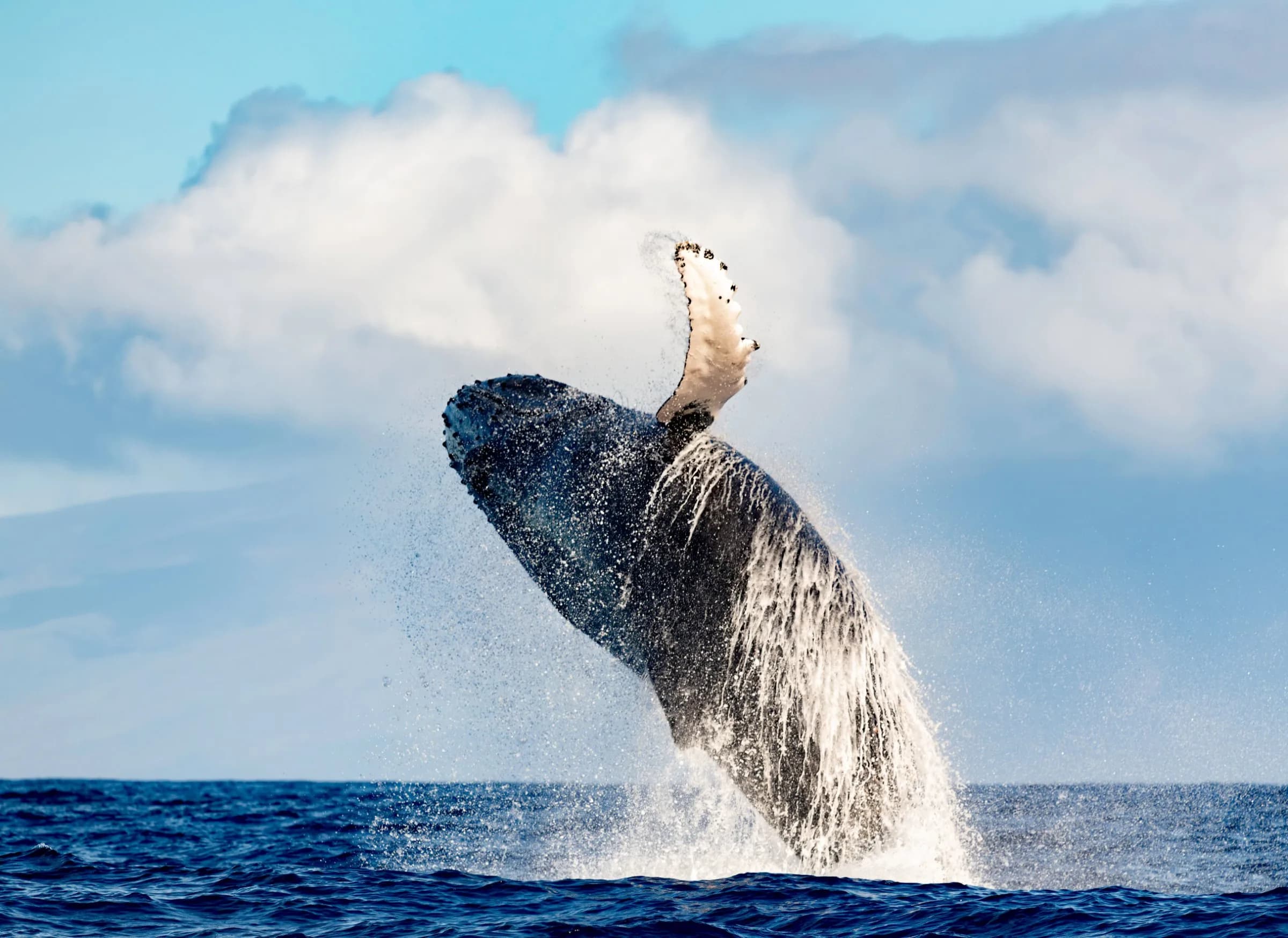
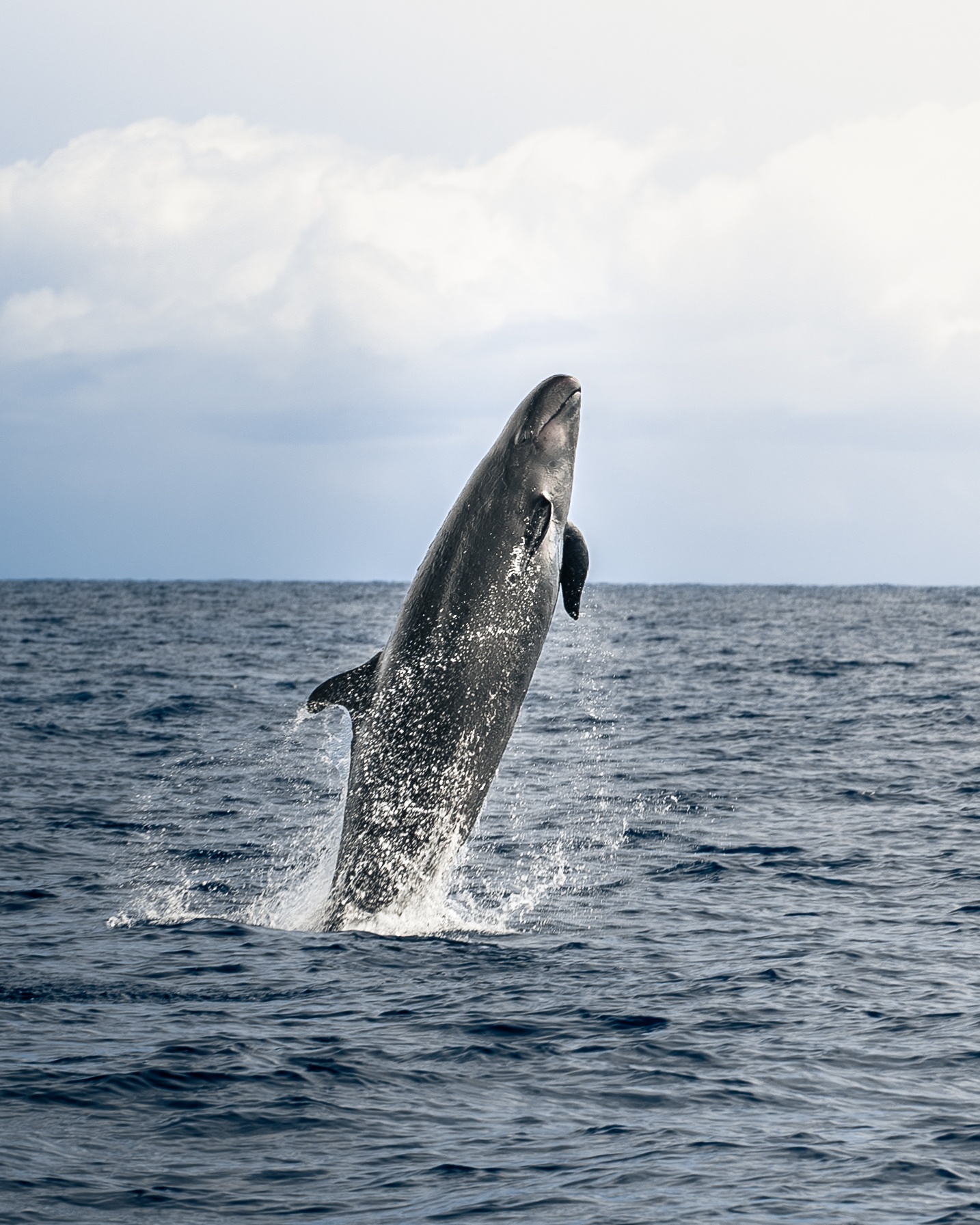
Every winter, roughly 10,000 humpback whales leave their feeding grounds in Alaska and swim 3,500 miles to Hawaii to breed, give birth, and raise their calves in warm, predator-free water. The Big Island's western coast sits right in their path, and from December through March, you can watch 45-ton whales breach, slap their tails, and blow spouts from just about anywhere along the Kona and Kohala coastline.
This isn't a "maybe you'll see one" situation. During peak season, humpback sightings on a whale watch boat tour are essentially guaranteed. On good days, you'll see dozens.
When to Go: Month-by-Month Breakdown
Whale season runs roughly mid-November through mid-April, but not all months are equal.
November-December: Early arrivals. The first males show up in November, with numbers building through December. Sightings are frequent but not overwhelming. This is a quieter time to go, with fewer boats, lower prices, and the whales you do see tend to be active males competing for territory.
January-February: Peak season. This is when the highest concentration of whales is in Hawaiian waters. Mothers with newborn calves arrive, competitive male groups (called "heat runs") put on dramatic displays, and breaching activity is at its maximum. If you can only go one month, go in late January or early February.
March: Still excellent. Numbers start declining mid-month as whales begin the journey north. You'll see more mother-calf pairs, which are particularly fun to watch. Calves are playful and curious, sometimes approaching boats. March also has better weather than January.
April: Stragglers. Some whales linger into early April, but sightings become inconsistent. Most dedicated whale watch tours stop running by mid-April.
Boat Tours: The Best Way to See Whales
A dedicated whale watch boat tour puts you within the legal 100-yard approach distance (boats must stop if a whale surfaces within this range, but whales themselves often approach closer). You'll feel the spray from a blow, hear the deep exhalation, and, if you're lucky, witness a full breach from close enough to see the barnacles on the whale's chin.
What to Look For
- Breaching: The showstopper. A 40-ton whale launches its body out of the water and crashes back down. Scientists aren't entirely sure why they do it (communication, parasite removal, or pure joy). Whatever the reason, it's the most dramatic thing you'll see in the ocean.
- Pectoral fin slapping: Humpbacks have the longest fins of any whale (up to 15 feet). They roll on their sides and slap them against the surface, creating booms you can hear from a mile away.
- Tail slapping: The whale lifts its tail (fluke) out of the water and slaps it down repeatedly. This is often a sign of agitation or a warning to other whales.
- Spy-hopping: The whale rises vertically out of the water, eye above the surface, and seems to look around. It really feels like the whale is checking you out.
- Mother-calf pairs: Young calves stay close to their mothers, surfacing together in coordinated breathes. Calves are about 12 feet long at birth and gain 100 pounds per day on their mother's milk.
Top Whale Watch Operators
Da Whale Boat is a dedicated whale watch operation (they only run during season) and their name tells you everything about their focus. Small boat, knowledgeable crew, and they spend the entire 2-3 hours finding and observing whales rather than splitting attention with snorkeling.
Hawaii Ocean Sports runs early morning "Wake Up with the Whales" trips on their catamaran Alala. The morning light is gorgeous and whales tend to be most active in the early hours.
Ocean Eco Tours takes a marine biology approach. Their naturalist guides explain whale behavior, migration patterns, and conservation. Great if you want to understand what you're watching, not just see it.
Kohala Divers combines whale watching with a sunset cruise from Kawaihae Harbor on the Kohala coast, offering a different vantage point than the Kona departures, and often less crowded.
Whale Watch and Sunset Cruise
Direct Booking Guarantee: the tour operator takes your booking and runs your tour. We may earn a commission, never added to your price.
Shore Watching: Free and Surprisingly Good
You don't need a boat to see whales. During peak season, humpbacks are visible from shore all along the Kona and Kohala coasts. Stand at an elevated viewpoint, scan the horizon for spouts (they look like white puffs against the blue), and watch. Some of the best free shore-watching spots:
- Hapuna Beach has an elevated parking area that gives you a panoramic view. Bring binoculars and sit on the bluff above the beach.
- Mauna Kea Beach where whales are regularly visible from the beach. The hotel's Manta Point headland gives excellent vantage.
- Keahole Point (near the airport) is an exposed headland with deep water close to shore. Whales pass by regularly.
- Kahalu'u Beach where, while you're snorkeling with turtles, keep an eye (and ear) out. You can sometimes hear whale songs underwater even from shore.
Pro tip: late afternoon light is best for spotting spouts. The low sun backlights the spray beautifully and makes it visible from farther away.
Humpback Whale Biology: What You're Watching
Some context makes the experience richer. North Pacific humpback whales (Megaptera novaeangliae) are one of the great conservation success stories. Hunted nearly to extinction by the 1960s (the North Pacific population dropped below 1,500), they've recovered to an estimated 20,000-30,000 today thanks to the 1966 whaling moratorium.
Adults measure 40-50 feet long and weigh 25-40 tons. They're baleen whales, filter-feeding on krill and small fish in Alaska all summer, then fasting for most of their 4-month Hawaiian stay. Females give birth here after an 11-month gestation, and calves nurse for about a year before weaning.
The males sing. Humpback whale song is one of the most complex non-human vocalizations known. A structured sequence of moans, cries, and howls that can last 20 minutes and be heard underwater for miles. All males in a population sing the same song, which evolves throughout the season. If you're snorkeling or diving during whale season, you'll hear it, a deep, haunting rumble that comes from everywhere and nowhere.
Photography Tips
- Telephoto lens is essential. Even at 100 yards, whales look small in a wide-angle shot. 200mm minimum, 300-400mm ideal.
- Burst mode. Breaches happen fast, about half a second from launch to splash. Hold the shutter down and sort through frames later.
- Watch for cues. Whales often breach multiple times in succession. If you see one breach, keep your camera aimed, because there's a good chance it'll do it again.
- Shoot the spout. It sounds boring, but a well-composed spout shot with the Kona coast in the background makes a beautiful image.
- Polarizing filter reduces glare and lets you see more detail in the water.
- Protect your gear. Salt spray is the enemy of camera equipment. Keep a microfiber cloth handy and put your camera away during rough transits.
Combining Whale Watching with Other Activities
Since whale season coincides with one of the Big Island's best travel periods, you can stack whale watching with other winter activities:
- Manta ray night snorkel since mantas are here year-round, and winter plankton blooms can bring bigger numbers to the feeding sites.
- Sunset cruises because many sunset tours double as whale watches during season. Two experiences, one ticket.
- Snorkeling. You can hear whale songs underwater at most snorkel spots during peak season. Seriously eerie and wonderful.
- Volcano tours since the volcano doesn't care about seasons. Combine a whale watch morning with a twilight volcano trip.
Frequently Asked Questions
Are whale sightings guaranteed?
During January-March on a dedicated whale watch tour, yes, in practical terms. Operators see whales on 99%+ of trips during peak season. Many offer a free rebooking if no whales are spotted. From shore, sightings are likely but not guaranteed on any given session.
How close do the whales get?
Federal law requires boats to stay 100 yards from whales. But whales don't read the regulations, and they frequently approach boats on their own, sometimes surfacing directly alongside. When this happens, the boat must stop engines and wait. These "mugging" encounters are the most memorable.
Will I get seasick?
Whale watch boats stay in relatively calm nearshore waters, but swells can develop, especially in the afternoon. Morning tours tend to have calmer conditions. Take Dramamine or Bonine 30 minutes before departure if you're prone to motion sickness.
Can kids come?
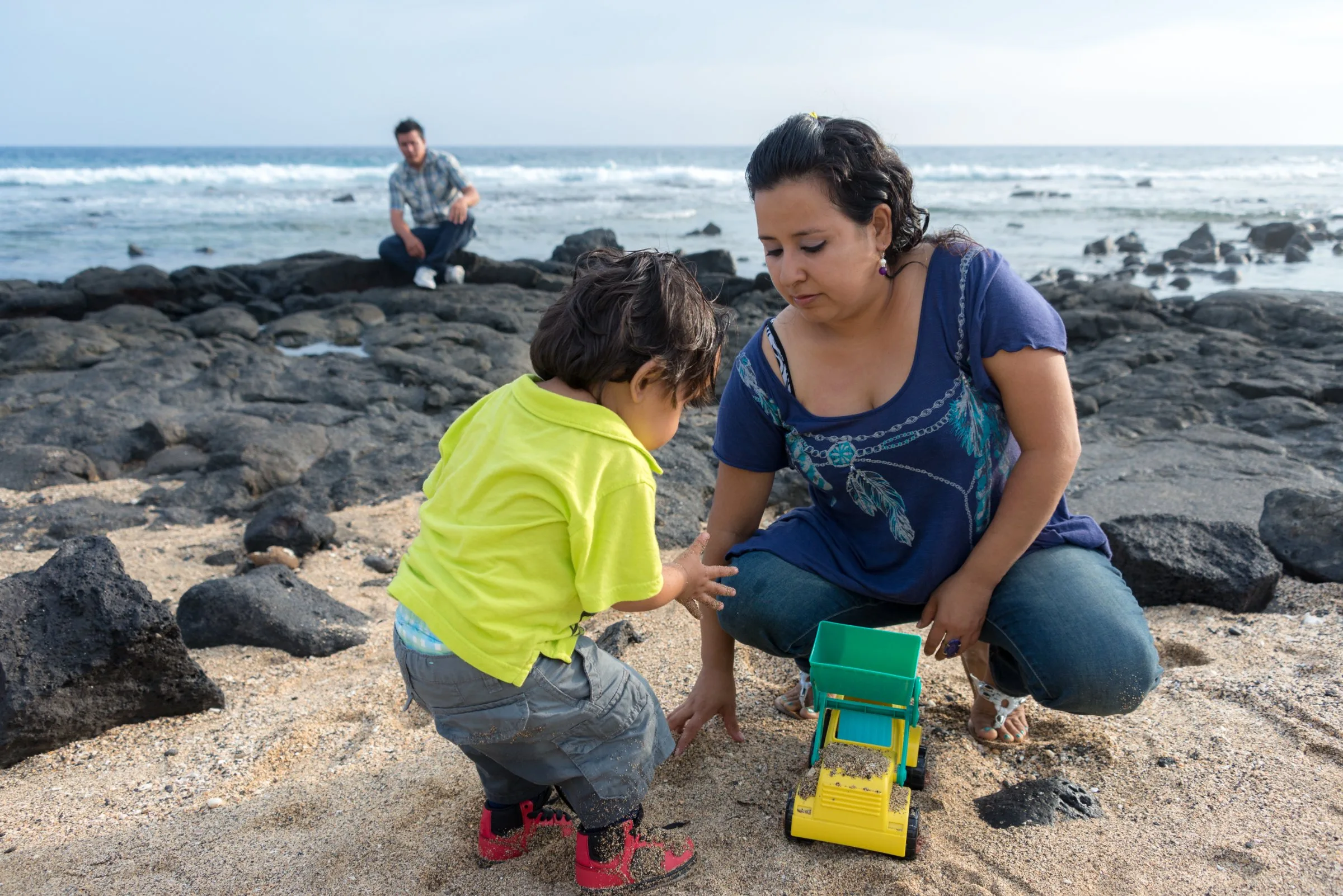
Absolutely. Whale watching is one of the best family activities. No gear required, no physical demands, and kids lose their minds when a whale breaches. Most operators accept all ages.
Is whale watching better from Kona or Hilo?
Kona (west coast) has calmer waters and more operators. Hilo-side whale watching exists but the seas are rougher and fewer tours operate. Go with a Kona departure.
What else should I do while I'm here?
Check our Kona activity guide and best Big Island tours for a full rundown of what to do between whale watches.