Big Island Helicopter Tours: Aerial Guide (2026)
See the Big Island from above: active volcanoes, hidden waterfalls, sea cliffs, and remote valleys only visible from the air. Here's how to choose the right flight.
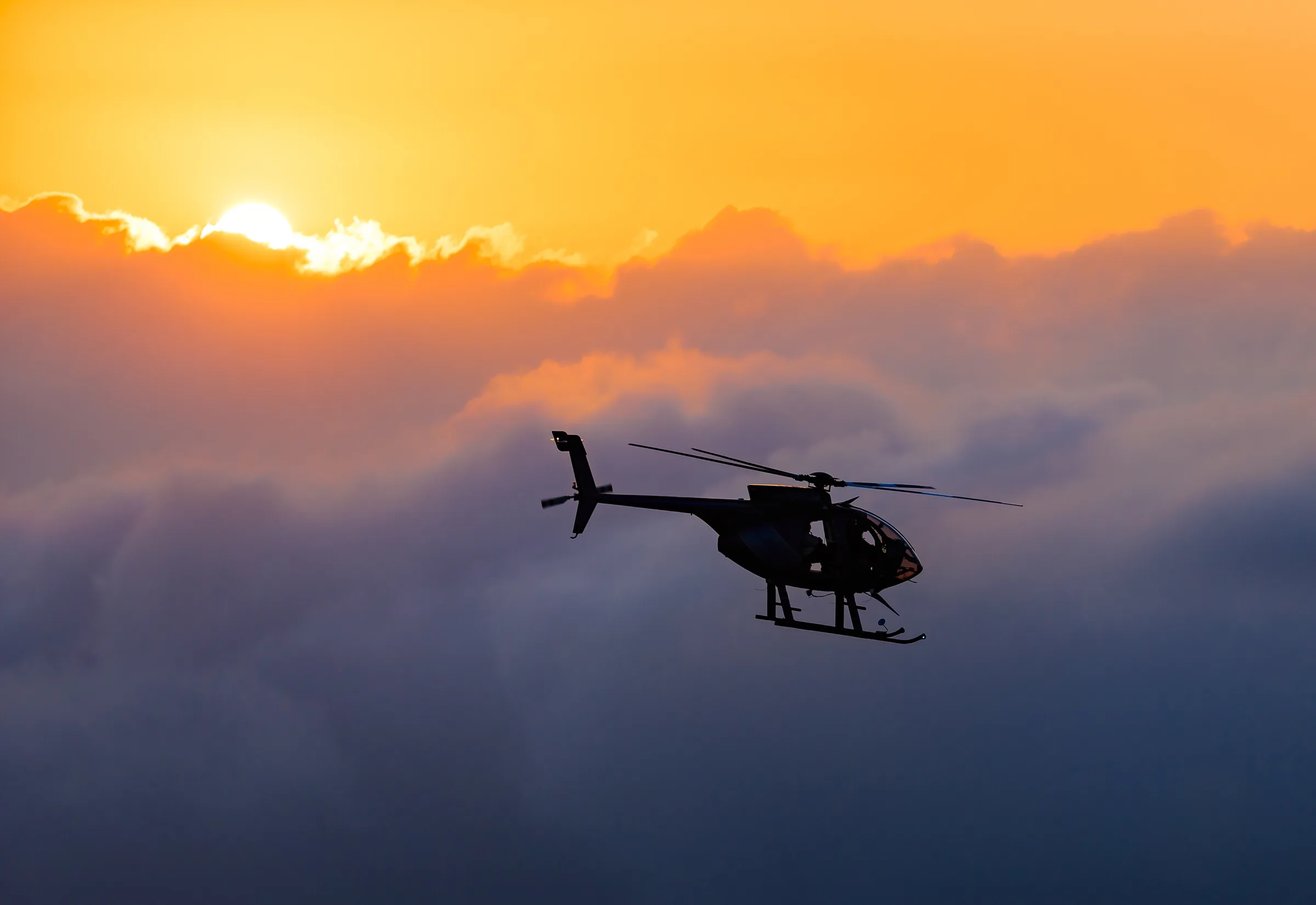
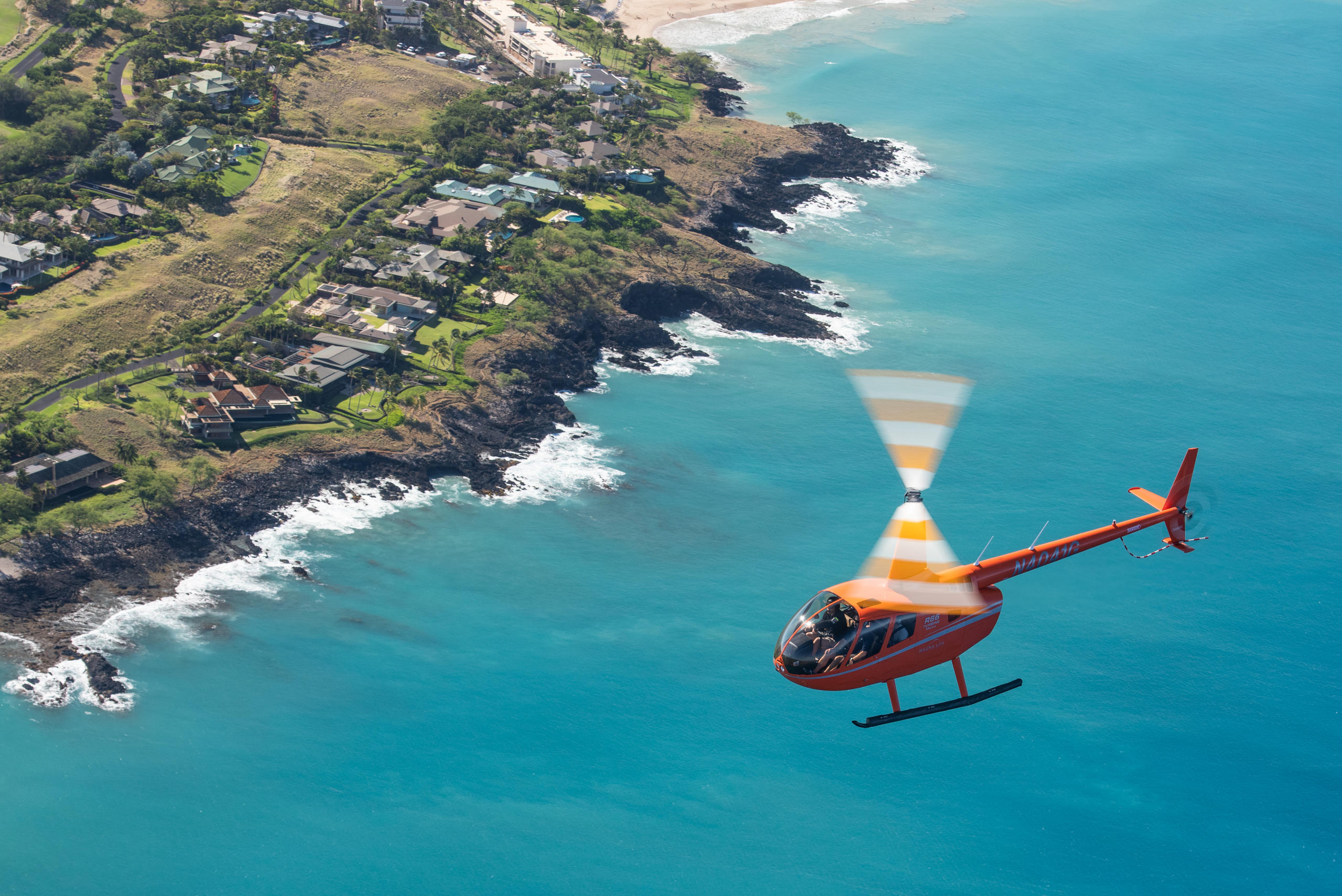
The Big Island is twice the size of all other Hawaiian islands combined, and most of it is inaccessible by road. The remote valleys of the Kohala coast, the heart of Volcanoes National Park, the 1,000-foot waterfalls hidden in roadless jungle. You'll never see them from a car. A helicopter tour shows you the Big Island as it actually is: massive, wild, and volcanic in ways that make even the national park feel tame by comparison.
What You'll See from the Air
Active Volcanic Zones
The helicopter's biggest selling point is the volcano. From the air, you see the full scale of Kīlauea's caldera, a mile-wide depression with steam rising from fractures and the glowing vent of Halema'uma'u crater. When the volcano is actively erupting, you fly over rivers of lava flowing toward the ocean, fountaining vents, and new land being created in real time. Even during quiet periods, the geological drama is visible: lava fields stretching to the sea, steaming vents, and the sheer scope of volcanic destruction and renewal.
Hidden Waterfalls
The Hamakua coast has hundreds of waterfalls, and most of them have no name, no trail, and no way to reach them on foot. From the helicopter, you fly alongside cascades that plunge 500, 800, 1,000+ feet down jungle-covered cliffs. Some tours fly into the valleys and hover near the falls, close enough to feel the mist. Akaka Falls from the air shows the full 442-foot drop in context with the surrounding valley in a way the ground trail can't.
Kohala Sea Cliffs
The north coast of the Kohala peninsula drops vertically into the ocean, with 1,000-foot sea cliffs with waterfalls pouring directly into the surf. Waipio Valley and the five valleys beyond it (Waimanu, etc.) are visible in their entirety from above, each one deeper and more remote than the last. This is the most dramatic stretch of coastline in Hawaii.
The Summit Zone
Some flights take you above the volcanic summits where you can see the Big Island's true scale, with Mauna Kea and Mauna Loa rising nearly 14,000 feet from sea level, their snow-capped peaks (in winter) above the cloud line, with the entire island laid out below.
Tour Options
Private Flights
Mauna Loa Helicopter's Private Kona Coast Experience is the premium option. Your group only, doors off (or on, your choice), and the pilot customizes the route based on conditions and your interests. Their Private Big Island Experience extends the flight to cover both the Kona coast and the volcano zone.
Private Kona Coast Experience
Direct Booking Guarantee: the tour operator takes your booking and runs your tour. We may earn a commission, never added to your price.
Private Big Island Experience
Direct Booking Guarantee: the tour operator takes your booking and runs your tour. We may earn a commission, never added to your price.
Private flights are significantly more expensive but the experience is incomparable. No waiting for other passengers, the pilot talks directly to you, and you can request hover time at locations that interest you.
Doors-Off vs. Doors-On
Doors-off is the photographer's choice. No glass reflections, wider field of view, and the wind-in-your-face intensity makes the experience more visceral. The downside: it's loud (you wear headsets), cold at altitude, and you need to secure everything. Cameras need straps, nothing loose in pockets.
Doors-on is more comfortable, quieter, and warmer. The plexiglass windows can create reflections in photos, but modern helicopter windows are reasonably clear. Better for families with kids or anyone who prefers comfort over intensity.
Alternative: Gyroplane Flights
For something different, FlyGyros Hawaii offers gyroplane flight experiences, open-cockpit, two-seat aircraft that fly lower and slower than helicopters. You actually get a flight lesson (you fly the aircraft with the instructor). It's more of an aviation adventure than a sightseeing tour, but the views along the Kona coast are excellent.
60-minute Gyroplane Flight Lesson
Direct Booking Guarantee: the tour operator takes your booking and runs your tour. We may earn a commission, never added to your price.
Photography Tips
- Shoot through the open door (doors-off) whenever possible. Glass creates reflections and reduces clarity.
- Fast shutter speed: 1/1000 or faster. The helicopter vibration will blur anything slower.
- Wide-angle lens: 24-35mm is the sweet spot. You're close to things and want to capture scale.
- Avoid polarizing filters: They create uneven color bands when shooting through plexiglass (doors-on).
- Best seat: Right rear for Kona-departure flights (volcano is on the right). Ask the pilot when booking.
- Video: Set your GoPro or phone to shoot continuously. You'll get great footage without having to actively manage the camera.
Kona vs. Hilo Departures
Most operators fly from Kona (west side). The Kona departure adds transit time over the lava fields between the coast and the volcano, which is interesting but extends the flight. If the volcano is the main attraction for you, a Hilo-side departure (when available) gets you there faster and spends more time in the volcanic zone.
Pricing
- Standard shared tour (45-60 min): $250-400 per person
- Private flight (60 min): $800-1,500 for the helicopter
- Extended private (90+ min): $1,200-2,000+
- Gyroplane lesson (30-60 min): $200-400 per person
Is It Worth the Money?
Honestly? Yes. If you can afford it. The helicopter shows you a Big Island that doesn't exist from the ground. The scale of the volcanoes, the remoteness of the valleys, the number of waterfalls you'll never see otherwise. It's perspective-changing. If you're celebrating something (anniversary, milestone birthday, engagement), this is the Big Island splurge that delivers.
If budget is tight, spend the money on a manta ray snorkel instead. That's the other life-changing Big Island experience, at a quarter of the price.
Browse all helicopter tours and air tours to compare options.